


Seamlessly Transitioning Your Cycling Kit from Summer to Winter

Overview
Transitioning your cycling kit from summer to winter involves assessing your current gear and adding essential items for colder weather. Key components include long sleeve jerseys, base layers, windproof jackets, insulating vests, bib tights, thermal socks, and appropriate gloves and headwear. Ensure visibility with reflective gear and lights, adapt your hydration strategy with insulated bottles, and stay motivated by setting winter goals or joining a cycling group. Embrace the beauty of winter cycling for an enjoyable experience.
Table of Contents
- Understanding Your Cycling Kit
- Assessing Your Summer Gear
- Key Components of Your Winter Cycling Kit
- Long Sleeve Cycling Jersey
- Use of Base Layers
- Choosing the Right Outerwear
- Windproof and Waterproof Jackets
- Insulating Vests
- Leg Accessories
- Bib Tights and Leg Warmers
- Thermal Cycling Socks
- Protecting Extremities
- Gloves
- Headwear
- Staying Visible
- Reflective Gear and Accessories
- Front and Rear Lights
- Adapting Your Hydration Strategy
- Hydration Packs and Insulated Bottles
- The Mental Aspect of Cycling in Winter
- Set Winter Cycling Goals
- Join a Cycling Group
- Embrace the Great Outdoors
- Rediscover Nature
- Wrap Up Your Transition with Style
Key Takeaways
- Evaluate Your Current Gear: Assess your summer cycling kit to determine what needs to be replaced or upgraded for colder weather.
- Invest in Key Components: Essential winter items include a long sleeve cycling jersey, base layers, and windproof/waterproof jackets.
- Protect Your Extremities: Use thermal gloves, headwear, and thermal cycling socks to keep your hands, head, and feet warm during rides.
- Enhance Visibility: Incorporate reflective gear and equip your bike with front and rear lights for safety in low-light conditions.
- Adapt Hydration Strategies: Use hydration packs or insulated bottles to prevent your water from freezing while ensuring you stay hydrated.
- Set Winter Goals: Establish specific cycling goals to maintain motivation and enjoyment during the colder months.
- Embrace the Outdoors: Take advantage of the unique beauty of winter landscapes to enhance your cycling experience and personal growth.
Frequently Asked Questions
1. How do I assess my summer cycling gear for winter use?
2. What are the key components of a winter cycling kit?
3. How can I stay visible while cycling in winter?
4. What hydration strategies should I use for winter cycling?
5. How can I maintain motivation for winter cycling?
As the seasons change, so does the cycling experience. Transitioning your cycling kit from summer to winter can be challenging, but with some thoughtful planning and a few key adjustments, it can also be enjoyable. Knowing how to effectively prepare your gear for colder months will not only enhance your comfort during rides but will boost your performance on the bike. Here's your guide on how to transition your cycling kit from summer to winter.
Understanding Your Cycling Kit
Your cycling kit is essential for optimal performance and enjoyment on the bike. It typically includes items such as jerseys, shorts, jackets, and accessories suited for the weather conditions. As summer temperatures drop, it’s essential to evaluate each component of your kit to ensure you have the right gear to tackle cooler weather.
Assessing Your Summer Gear
Before elevating your cycling kit for winter, take stock of what you already own. Here are some items commonly found in a summer cycling kit:
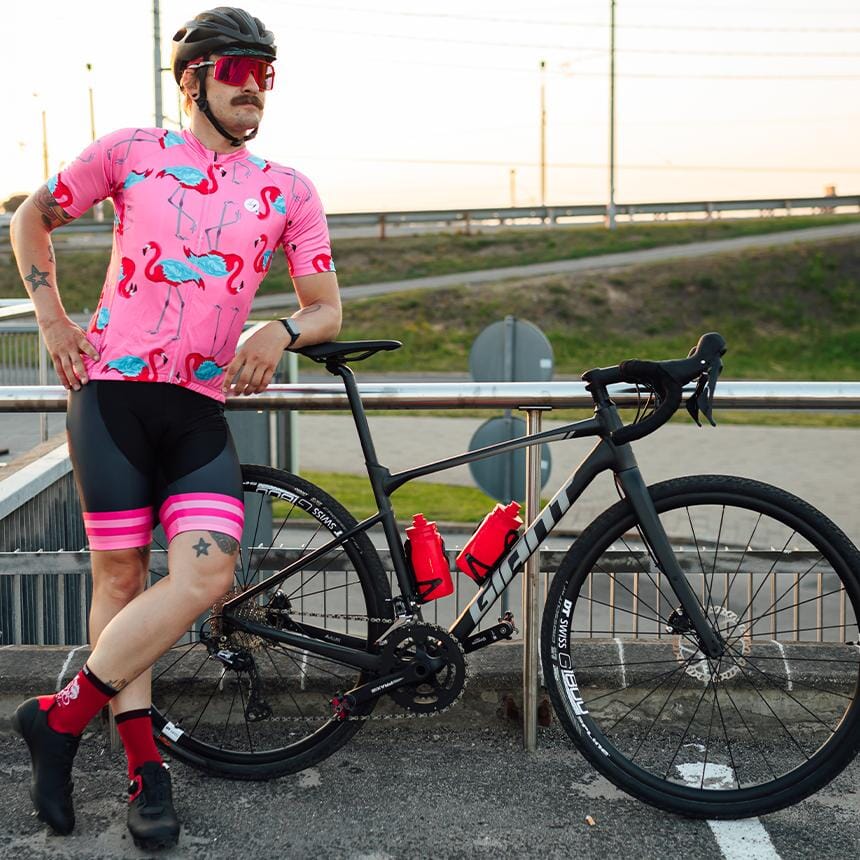
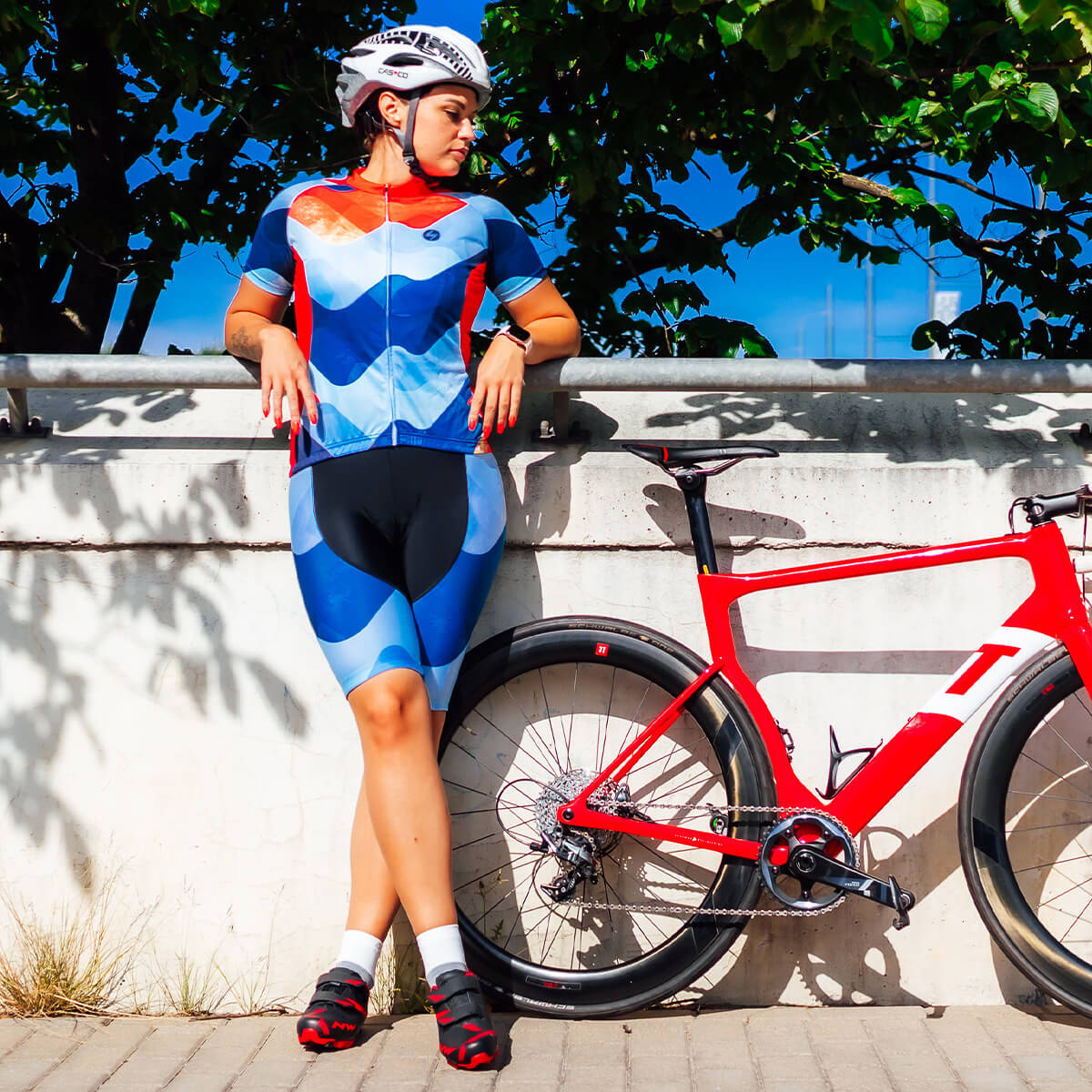
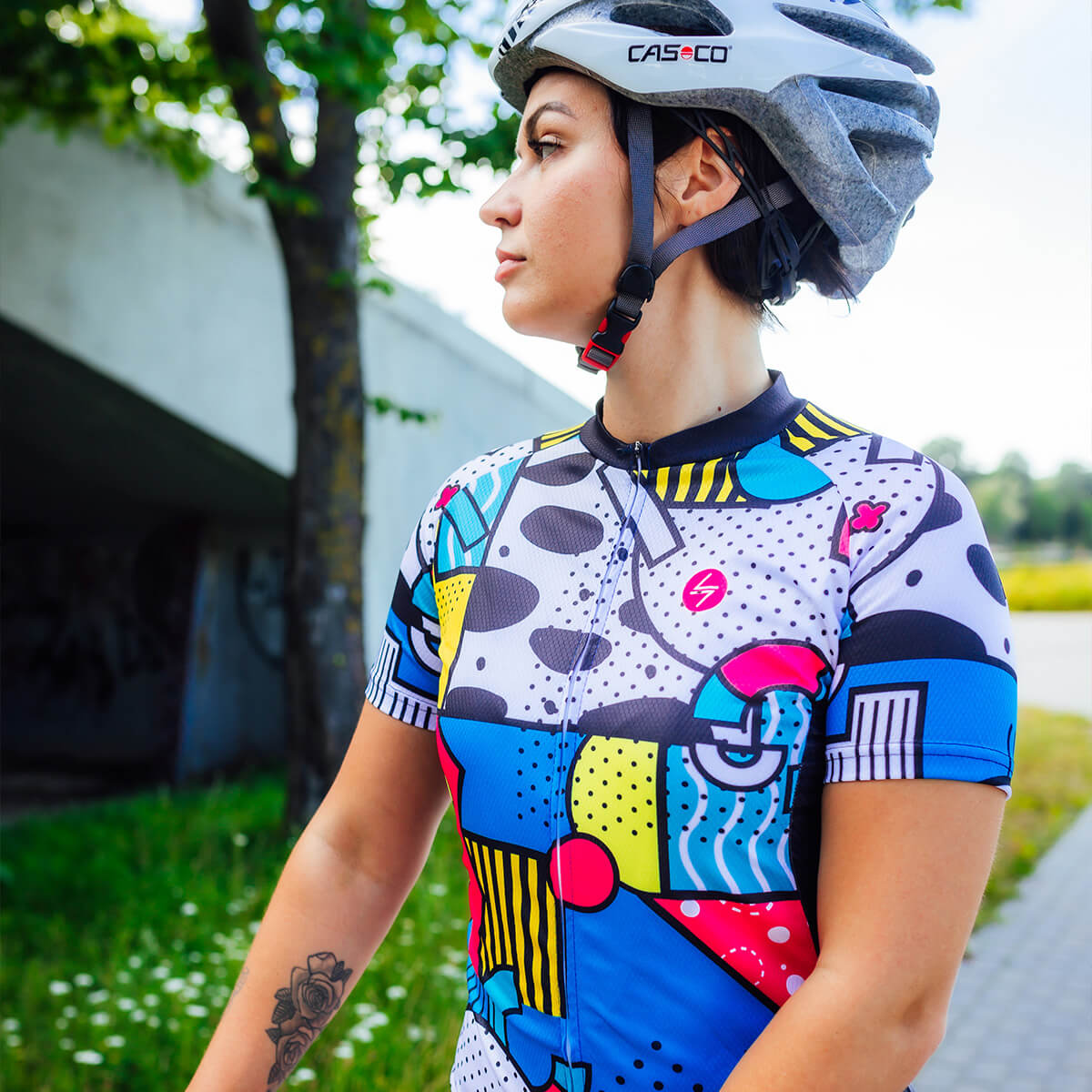
- Short sleeve jerseys
- Lightweight shorts
- Ventilated gloves
- Comfortable cycling shoes
- Sun-blocking accessories
Understanding these items will help you figure out what needs to be replaced or enhanced as you shift into winter gear.
Key Components of Your Winter Cycling Kit
When the temperature drops, your cycling kit must adapt. Here’s what to consider adding or switching to:
Long Sleeve Cycling Jersey
One of the most vital components for your winter cycling kit is the long sleeve cycling jersey. Unlike the short sleeve variants used in summer, long sleeve jerseys provide extra warmth while still allowing breathability. Look for materials that wick moisture away from the skin to keep you dry during colder rides.
Use of Base Layers
Base layers are essential for winter cycling. They work as an under-layer, providing insulation while keeping moisture at bay. Opt for materials like merino wool or synthetic fibers to maximize thermal regulation and comfort. Remember that layering is key; having a high-quality base layer will enhance the effectiveness of your long sleeve cycling jersey.
Choosing the Right Outerwear
Winter weather can vary vastly, so your outer layer is critical. Consider the following options for your winter cycling kit:
Windproof and Waterproof Jackets
Invest in a windproof and waterproof cycling jacket to protect yourself from harsh elements. These jackets help maintain your body temperature while preventing the penetration of wind and rain. Look for jackets that offer breathability—this will help you manage sweat during your ride.
Insulating Vests
An insulating vest can be a fantastic addition to your winter cycling kit. It adds warmth to your core without restricting movement in your arms. This is particularly beneficial for those who experience varying temperature changes while riding.
Leg Accessories
Your legs need protection just as much as your upper body during the colder months. Here are a few accessories to consider:
Bib Tights and Leg Warmers
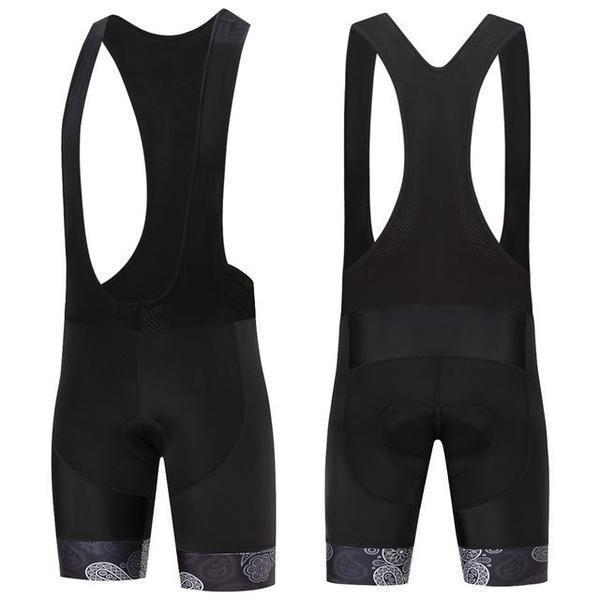
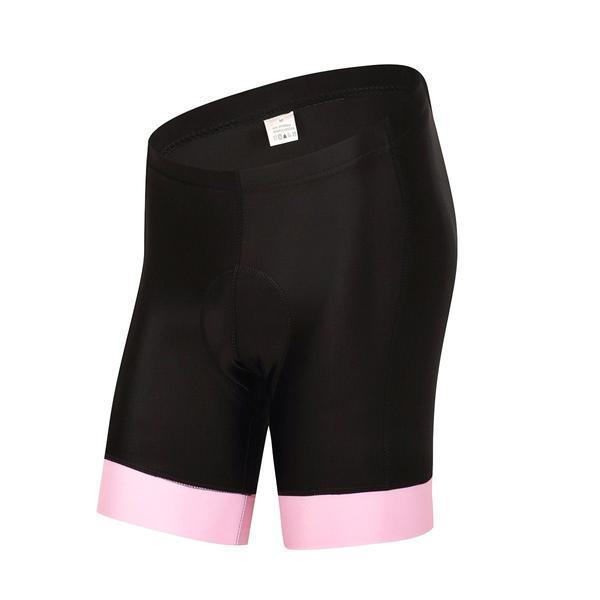
Switching from shorts to bib tights is often necessary once the temperature drops significantly. Bib tights offer more coverage and keep your muscles warm. For versatility, consider pairing shorts with leg warmers, allowing you to adapt based on how the temperature fluctuates during your ride.
Thermal Cycling Socks
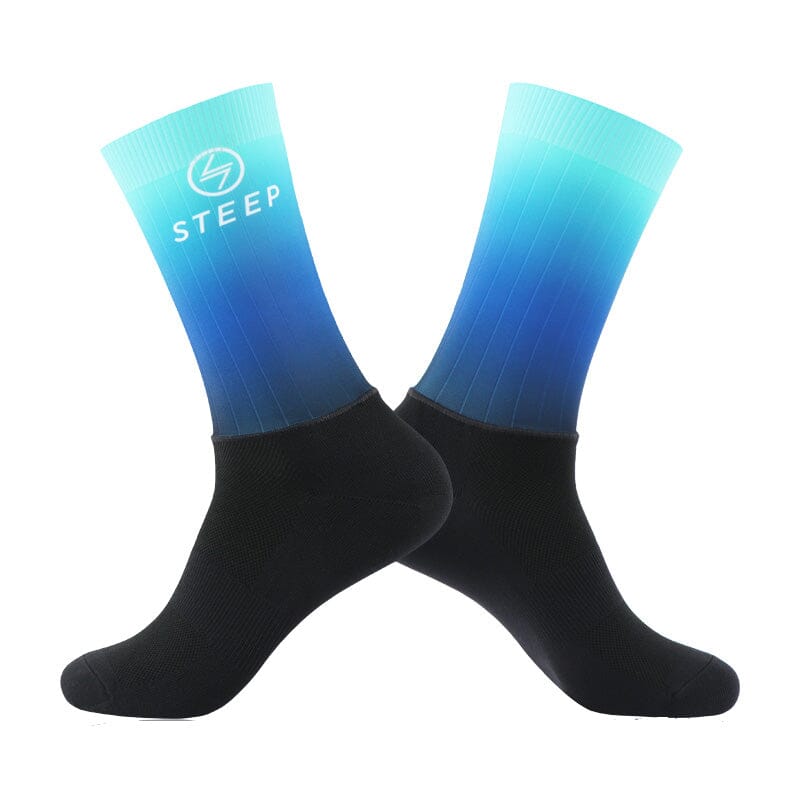
Don’t underestimate the power of warm feet! Thermal cycling socks will keep your toes cozy and dry. Look for socks made of merino wool or other thermal materials designed specifically for cycling.
Protecting Extremities
In winter cycling, your extremities are particularly susceptible to cold. Ensure that you have the following:
Gloves
Replace your lightweight summer gloves with thermal winter cycling gloves. Look for gloves that provide a good grip and are windproof yet breathable, keeping your hands warm without compromising functionality.
Headwear
Keeping your head and ears warm is critical during colder rides. Consider wearing a cycling skullcap under your helmet or a thermal headband. These accessories will provide much-needed protection from wind and cold.
Staying Visible
As daylight hours decrease, it's essential to enhance your visibility on the road. Here are some tips:
Reflective Gear and Accessories
Incorporate reflective elements into your cycling kit, such as vests, bands, or even reflective socks. Visibility is crucial for safety, especially in low-light conditions.
Front and Rear Lights
Don't forget to equip your bike with front and rear lights. Not only do they help others see you, but they also illuminate your path in dark conditions. They can make all the difference between a safe ride and a dangerous one.
Adapting Your Hydration Strategy
In chilly weather, you might not feel as thirsty as in summer, but staying hydrated is still essential. Here’s how you can adapt your approach:
Hydration Packs and Insulated Bottles
Consider using a hydration pack or insulated bottles to keep your water from freezing. Having access to hydration while riding can maintain your performance levels and stave off fatigue.
The Mental Aspect of Cycling in Winter
Transitioning your cycling kit isn't just a physical process; it’s also a mental shift. Here are some tips to stay motivated through colder rides:
Set Winter Cycling Goals
Establish specific goals for your winter riding. Whether it's increasing the distance or frequency of rides, having concrete targets can keep you focused and committed.
Join a Cycling Group
Consider joining a cycle club or group that enjoys riding in winter. The camaraderie of fellow cyclists can be invaluable for motivation and enjoyment. It often makes cold rides feel shorter and more enjoyable, thanks to the company.
Embrace the Great Outdoors
One of the most rewarding aspects of winter cycling is the chance to experience the beauty of outdoor settings during this season. Riding through snow-dusted trails or crisp, fresh air can invigorate your senses.
Rediscover Nature
Take time to appreciate the scenic changes as winter unfolds. The landscape is often stark yet stunning, presenting new challenges and experiences. Embrace these elements, as they contribute to your growth as a cyclist.
Wrap Up Your Transition with Style
As you transition your cycling kit from summer to winter, remember that comfort and performance are key. Layering your clothing effectively, including a long sleeve cycling jersey, investing in essential outerwear, protecting your extremities, and maintaining visibility will not only keep you warm but also enhance your overall cycling experience.
Experiment with your gear and find what combination feels best for you. Give yourself time to adapt to the changes, and don’t hesitate to overhaul your kit as needed. Embracing the cooler months opens up a whole new world of cycling opportunities. Now is the perfect time to explore, set new goals, and find joy in each ride, regardless of the season.
Glossary
| Term | Meaning |
|---|---|
| Cycling Kit | Essential clothing and gear for cycling, tailored for different weather conditions. |
| Base Layer | An under-layer that provides insulation and moisture management for cold rides. |
| Long Sleeve Jersey | A cycling top that offers warmth and breathability for winter conditions. |
| Windproof Jacket | A protective outer layer that blocks wind while allowing breathability. |
| Insulating Vest | A sleeveless layer that warms the core without restricting arm movement. |
| Bib Tights | Full-length pants that provide warmth and coverage for winter cycling. |
| Thermal Socks | Socks designed to keep feet warm and dry during cold rides. |
| Reflective Gear | Items that enhance visibility in low-light conditions for safety. |
| Hydration Pack | A portable water reservoir for staying hydrated on the go. |
| Cycling Goals | Specific targets set to maintain motivation during winter rides. |
Linked Product

Loyal Long Sleeve Cycling Jersey
The Loyal Long Sleeve Cycling Jersey is designed for comfort and performance, utilizing Quick Dry technology to wick moisture away and regulate body temperature. Its ultralight and breathable fabric ensures a pleasant ride, while reinforced pockets and anti-UV features add practicality and protection. Ideal for both long rides and casual commutes, this jersey combines functionality with a sleek fit.
View Product



Leave a comment