


The Impact of Cycling Kit on Aerodynamics

Overview
Cycling performance is heavily influenced by aerodynamics, which is affected by the cyclist's gear, particularly the cycling kit. Key factors include fabric technology, fit, and design, all of which can minimize drag and enhance speed. When choosing a cycling kit, consider materials, fit, and maintenance to maximize performance. Investing in a quality kit is crucial for serious cyclists looking to improve their rides.
Frequently Asked Questions
1. What is the importance of aerodynamics in cycling?
2. How does a cycling kit influence aerodynamic performance?
3. What are key elements to consider when selecting a cycling kit?
4. What common misconceptions exist about cycling kits?
5. What maintenance tips are recommended for cycling kits?
Cycling is more than just a sport; it is a pursuit of speed, endurance, and efficiency. One of the most crucial factors in achieving optimal performance lies in the physical attributes of the cyclist's gear. This brings us to the concept of aerodynamics, a science that many cyclists are increasingly prioritizing. Enter the cycling kit—a critical component that can significantly enhance a cyclist's performance by affecting aerodynamic efficiency.
Understanding Aerodynamics in Cycling
Aerodynamics refers to the way air flows around objects and how that flow impacts speed and resistance. When it comes to cycling, aerodynamics can make a colossal difference in performance. It is about minimizing drag, which is the resistance that cyclists face as they cut through the air. The less drag a cyclist experiences, the faster they can go with the same amount of effort.
Every cyclist, whether a professional or a casual rider, should strive for aerodynamic efficiency. The good news is that the cycling kit you choose plays a pivotal role in your aerodynamic performance. From jerseys and shorts to helmets and footwear, every piece of gear can either help or hinder your speed.
The Role of Cycling Kit in Aerodynamics
Fabric Technology
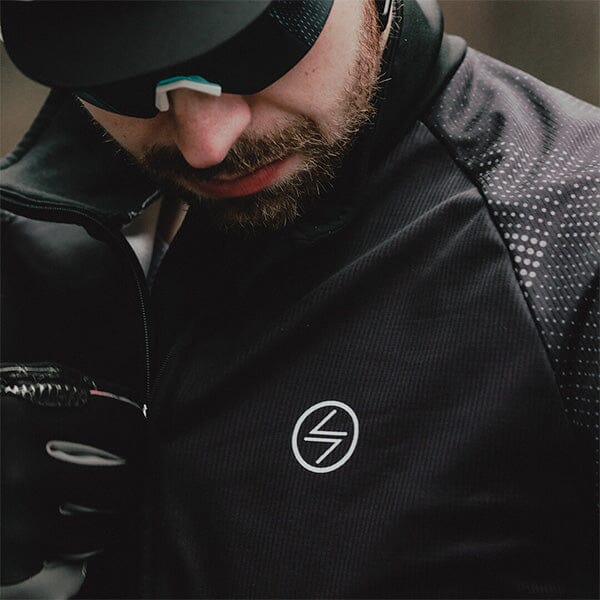
The fabric used in a cycling kit is one of the most influential factors affecting aerodynamics. Manufacturers have invested heavily in research and development to create materials that reduce drag. For instance, textured fabrics can create a turbulent boundary layer around the cyclist, thereby decreasing the size of the wake behind them. This results in less drag and improved speed.
Fit and Design
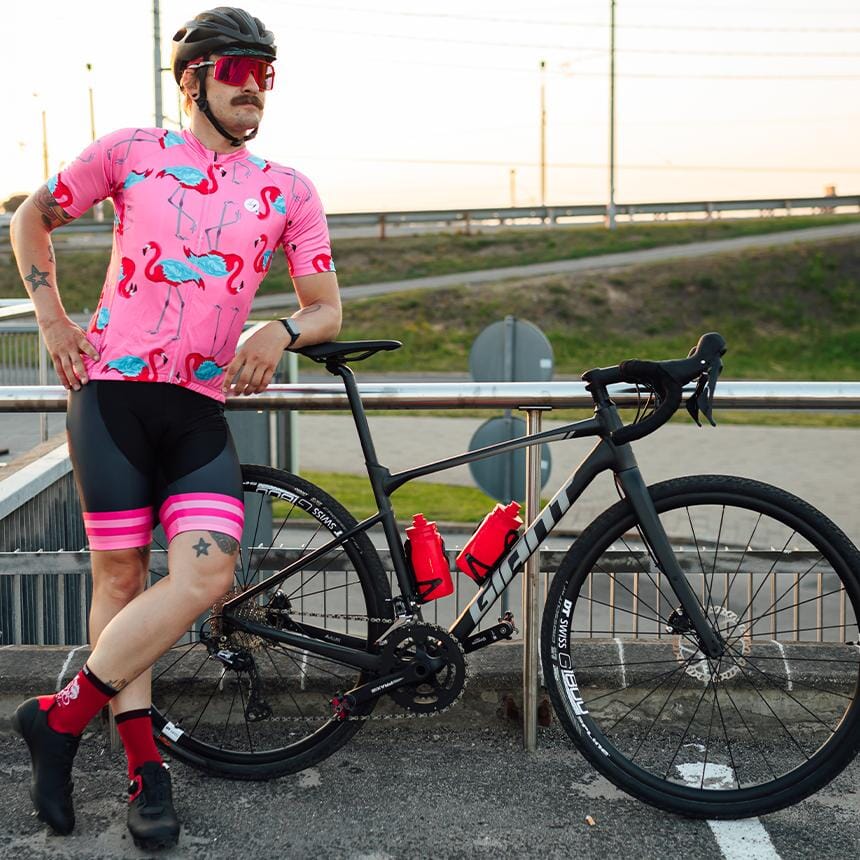
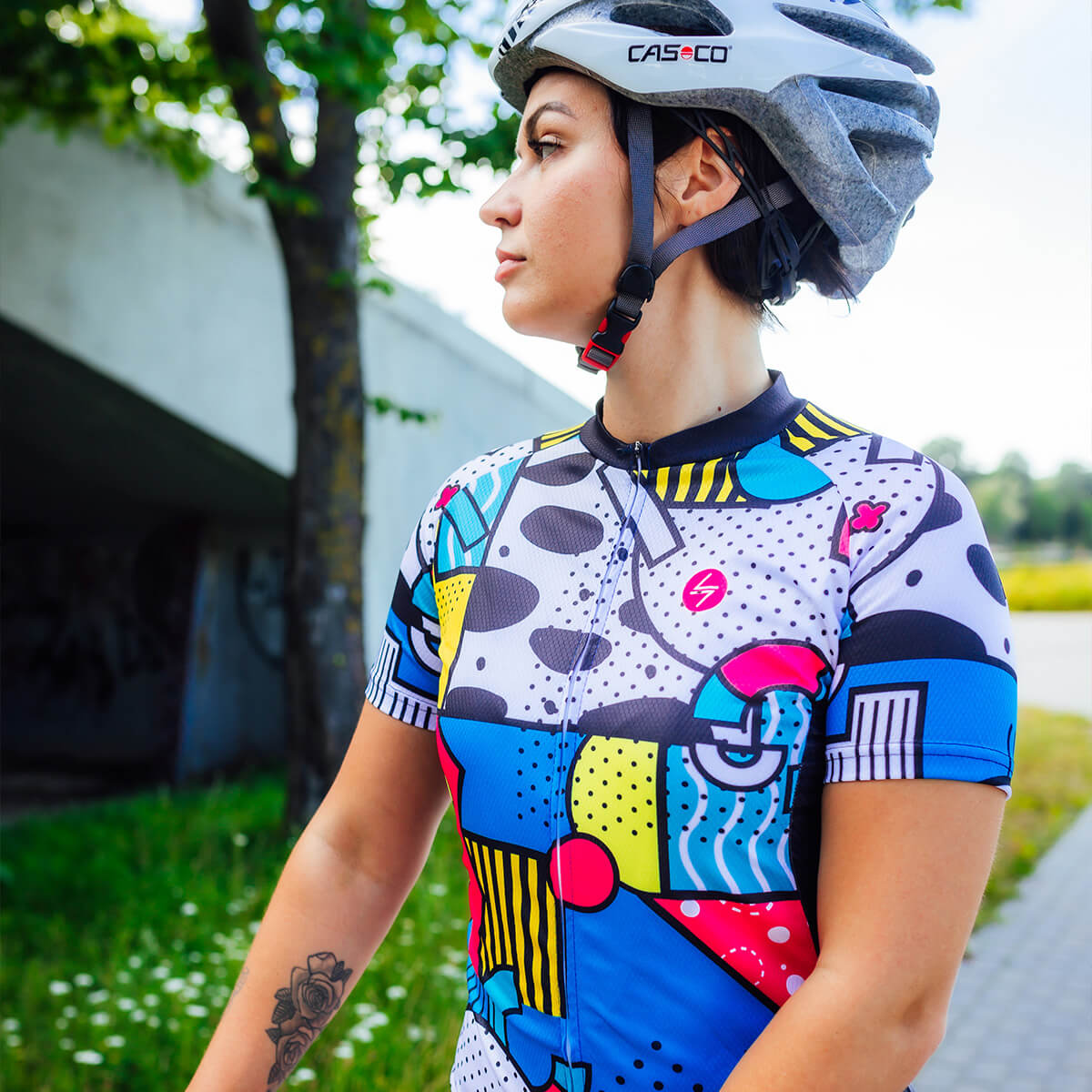
How a cycling kit fits is just as essential as the materials it is made from. A snug fit is essential for reducing resistance; loose-fitting apparel can flap in the wind, creating additional drag. Many premium cycling kits employ a tailored design that hugs the body's contours. This not only promotes comfort but also optimizes the aerodynamic profile of the cyclist.
Posture and Body Position
The cycling kit also influences the body position of the rider. A well-designed cycling kit can promote an aerodynamic riding posture, reducing frontal area and minimizing drag. For instance, a cycling jersey that allows freedom of movement in the shoulders and arms encourages a flatter riding position, allowing cyclists to achieve that streamlined shape.
Elements of an Aerodynamic Cycling Kit
When selecting a cycling kit, certain elements significantly influence aerodynamics. Let's explore some key components:
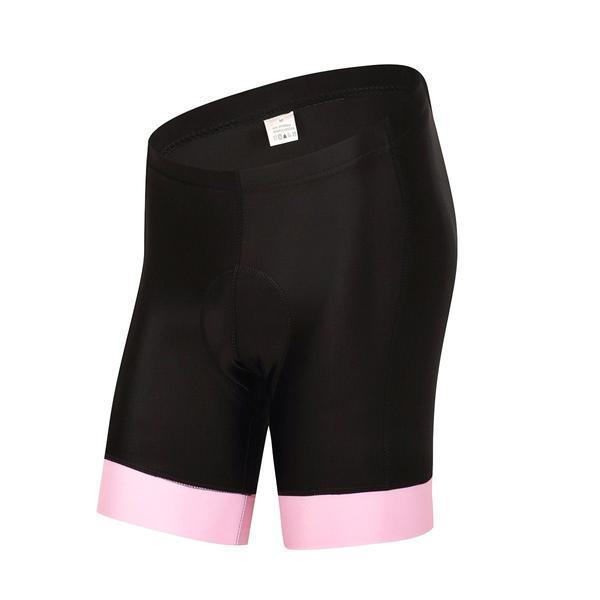
- Chamois Padding: A well-engineered chamois reduces friction and allows for greater focus on performance, enhancing comfort during longer rides.
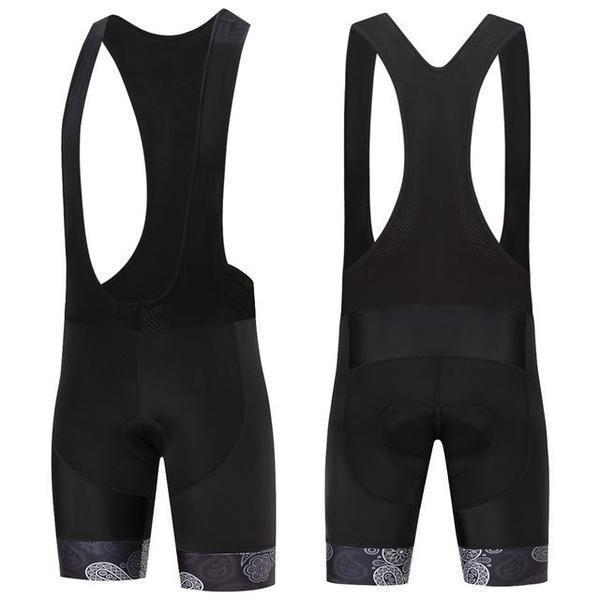
- Seam Placement: The position of seams can greatly affect wind flow and drag. Strategic seam placement can enhance the aerodynamic profile.
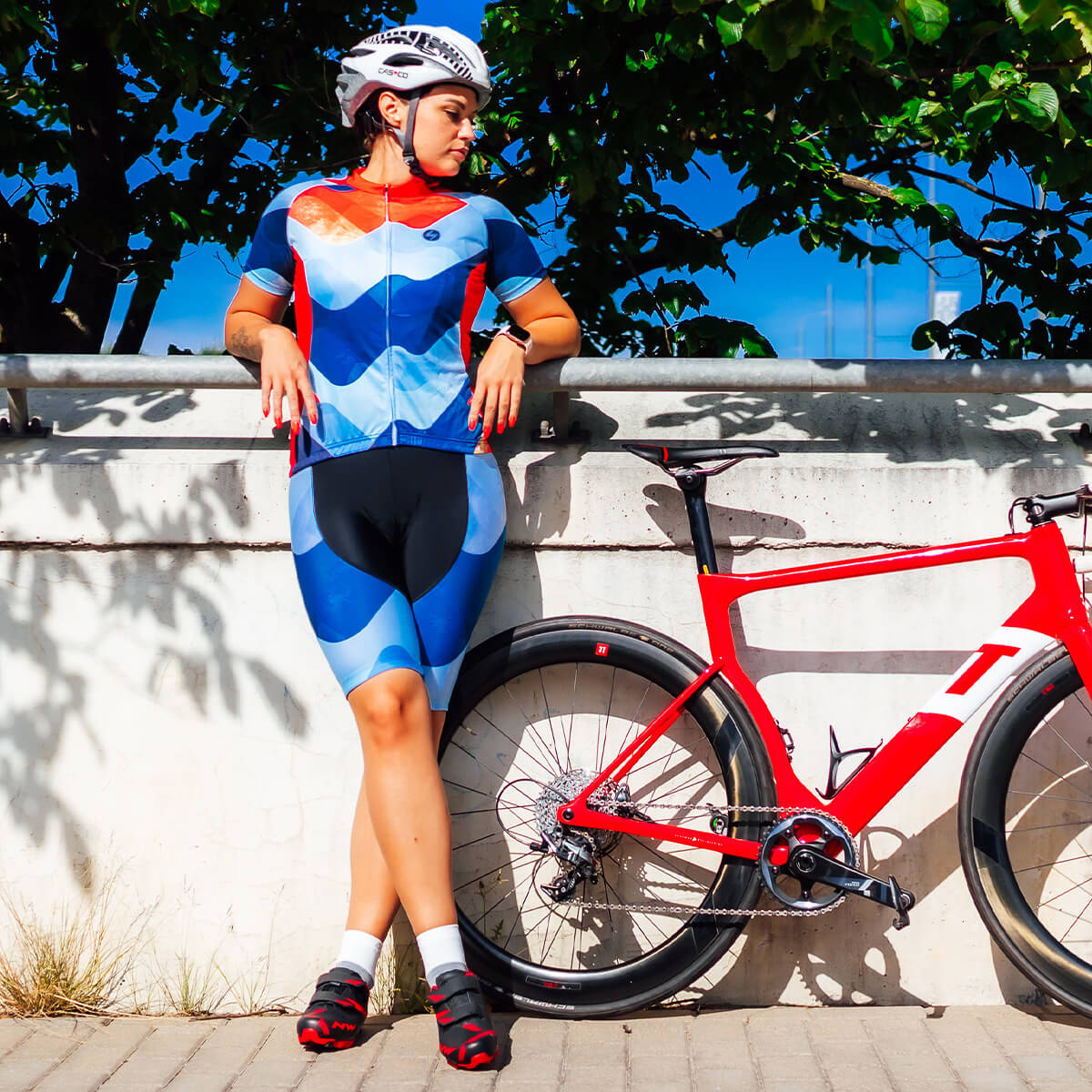
- Colors and Patterns: Although they may seem less important, the color and patterns of a cycling kit can influence heat management and visibility, indirectly affecting overall performance.
- Compression Technology: Some modern cycling kits utilize compression for better blood flow and muscle support, improving efficiency over long distances.
Common Misconceptions about Cycling Kits
Despite the advancements in cycling kit technology, several misconceptions persist that may hinder cyclists from understanding the real impact of their gear on performance.
It's Just About Looks
Many cyclists mistakenly believe that cycling kits are primarily for aesthetics. While it’s true that manufacturers create visually appealing designs, the real advantage lies in aerodynamics and comfort. A good cycling kit is engineered to reduce drag and enhance performance, making it an essential tool for serious cyclists.
All Cycling Kits Are the Same
Not all cycling kits are created equal. The difference between a standard cycling kit and a high-performance kit goes beyond appearance. Top-tier kits incorporate extensive research into aerodynamics, moisture-wicking fabrics, and a design that complements an efficient riding posture. Investing in a quality cycling kit can pay dividends in speed and comfort.
How to Choose the Right Cycling Kit
Choosing the right cycling kit is crucial for optimizing aerodynamic performance. Below are some essential tips to consider:
- Test the Fit: Always try on various brands to find what fits best as every brand has different sizing standards.
- Research Materials: Look for kits made from high-quality, aerodynamic fabrics developed specifically for cycling.
- Consider the Climate: Select a kit suitable for your riding conditions—lighter fabrics for warmer weather and thicker, protective designs for colder rides.
- Opt for Breathability: Ensure that the kit not only minimizes drag but also provides ventilation to keep you comfortable during rides.
Maintenance Tips for Your Cycling Kit
To ensure the longevity and performance of your cycling kit, proper maintenance is vital. Here are some maintenance tips to keep your cycling kit in top condition:
- Follow Washing Instructions: Always adhere to the washing instructions to avoid damaging the fabric and losing its aerodynamic benefits.
- Avoid Fabric Softeners: Fabric softeners can affect the moisture-wicking properties and breathability of your cycling kit.
- Dry Properly: Hang dry your cycling kit rather than using a dryer, which can warp the fabric and affect its fit and aerodynamics.
The Bottom Line on Cycling Kits and Aerodynamics
The pursuit of cycling speed doesn't end with training and nutrition. To truly maximize performance, cyclists must consider the impact of their cycling kit on aerodynamics. By selecting the right materials, fit, and design, cyclists can significantly reduce drag, enhance comfort, and elevate their riding experience. Investing in a quality cycling kit is not just a smarter choice—it's an essential step towards unlocking your full potential on the bike. With the knowledge gained from this article, you are now better equipped to make informed decisions about your cycling gear, paving the way for speedier, more enjoyable rides.



Leave a comment