



Layering Your Cycling Kit: Mastering Weather Changes

Overview
Learn how to layer your cycling kit for different weather conditions to enhance comfort and performance. Start with a moisture-wicking base layer, add an insulating layer for warmth, and finish with a waterproof outer layer. Adapt your kit for warm, cool, and wet weather, and don't forget essential accessories like gloves and headgear. Proper layering maximizes body temperature regulation, ensuring enjoyable rides regardless of the elements.
Frequently Asked Questions
1. What is the importance of layering in cycling?
2. What should I consider when choosing a base layer for cycling?
3. What types of materials are best for insulating layers?
4. What features should I look for in an external layer for cycling?
5. How can accessories enhance my layering strategy for cycling?
As a passionate cyclist, adapting to various weather conditions is essential for both comfort and performance. Whether you're conquering steep mountains or enjoying a leisurely ride through the park, learning how to layer your cycling kit can make all the difference. In this comprehensive guide, we will explore effective layering techniques for cycling in different weather conditions, ensuring you stay comfortable, dry, and motivated on every ride. From the base layer to the outer shell, this article will cover what you need to know.
Understanding the Importance of Layering
When it comes to cycling, one-size-fits-all clothing simply doesn’t work. Weather changes rapidly, and layering allows you to adapt your cycling kit according to temperature shifts and varying conditions. The key is to understand how each layer works together to regulate your body temperature and wick away moisture. Here’s a breakdown of the key components of your cycling kit.
Base Layers: Your Foundation
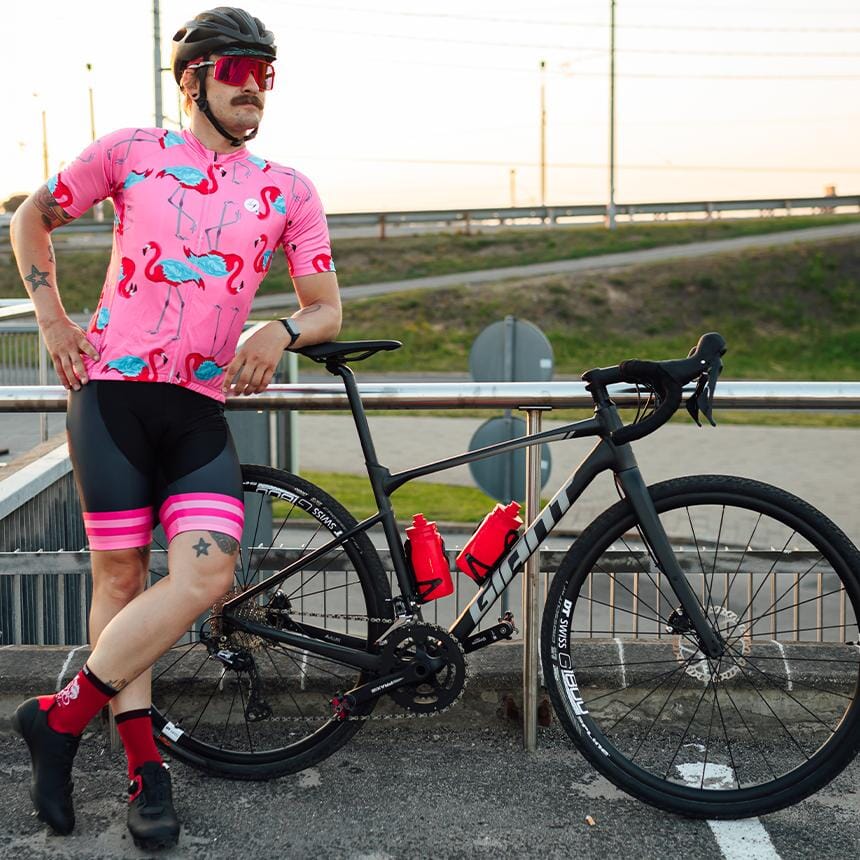
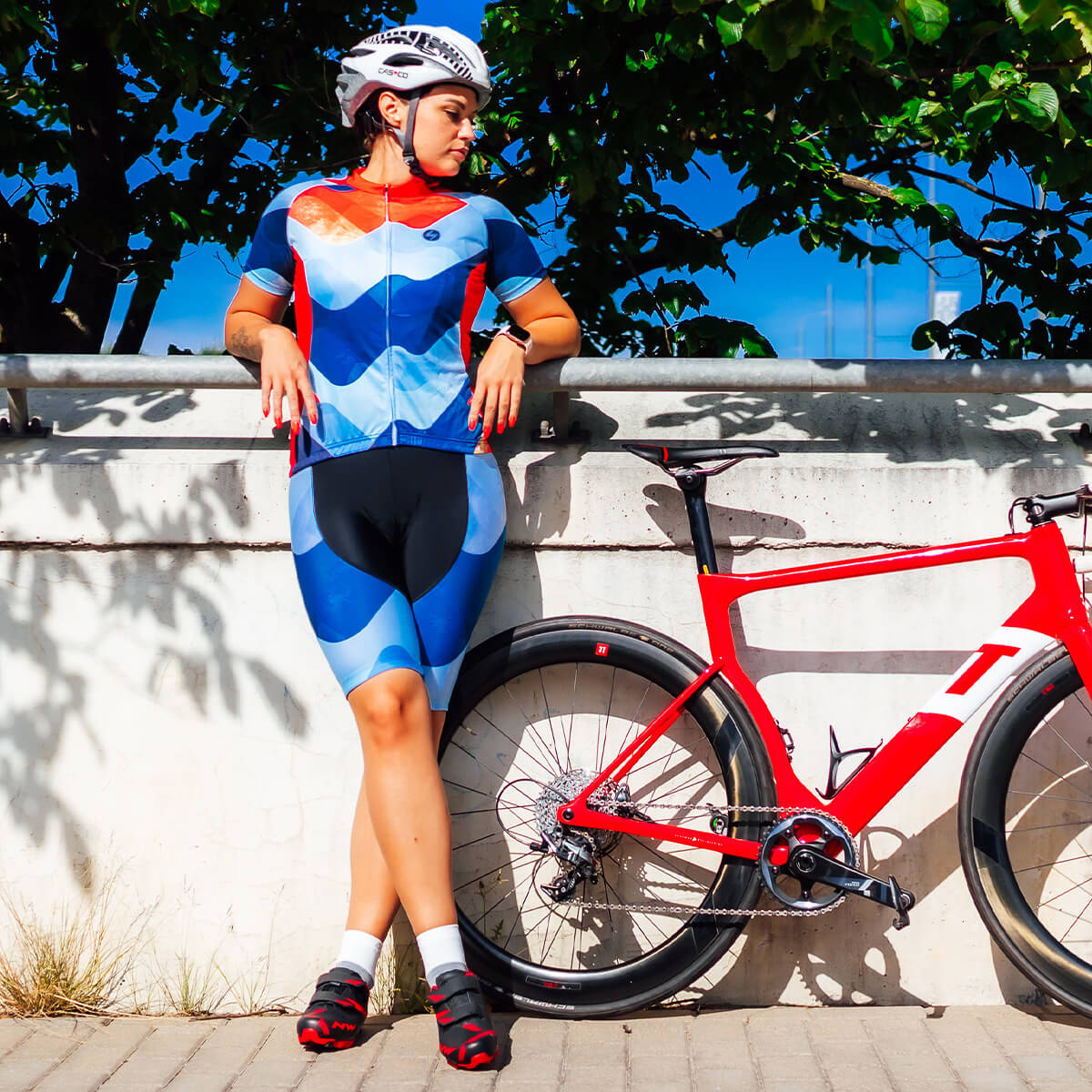
The base layer is the first line of defense against the elements. This layer should be snug and made of moisture-wicking fabric to keep sweat away from your body, helping to regulate your temperature. For cooler weather, opt for a long-sleeve cycling jersey or a thermal option that adds warmth without bulk. In warmer conditions, a short-sleeve cycling jersey can provide breathability while still offering moisture control.
- Choose synthetic fabrics or merino wool for moisture management.
- A well-fitted cycling jersey prevents chafing and maintains comfort.
- Look for lightweight options for hot days to avoid overheating.
Insulating Layer: Keep the Chill at Bay
When temperatures drop, incorporating an insulating layer becomes essential. This layer traps heat while still allowing moisture to escape. Fleece-lined jackets or vests work perfectly for colder climates. For transitional weather, a lightweight cycling vest can be an excellent choice, allowing freedom of movement while still providing warmth.
When selecting your insulating layer, consider the following:
- Opt for articles that are lightweight yet warm, allowing for greater mobility.
- Check for breathability and stretch for maximum comfort during rides.
- Keep versatility in mind; choose items that can work across multiple seasons.
External Layers: Shielding Against the Elements
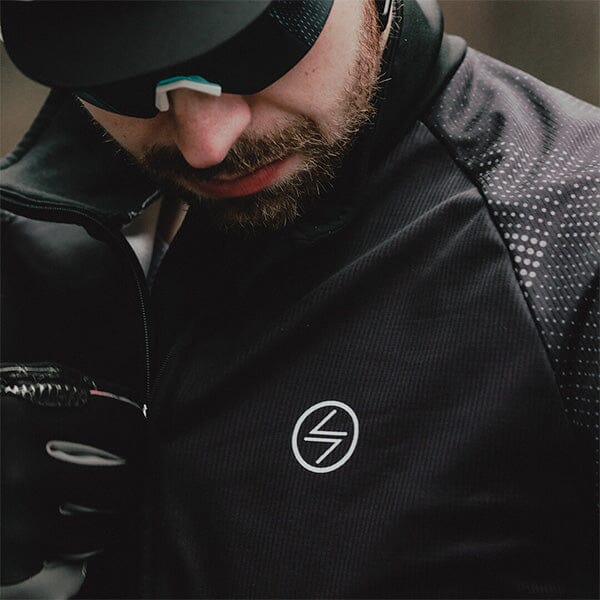
The final layer in your cycling kit is your external layer, which is crucial for protection against wind, rain, and other harsh weather conditions. A good waterproof jacket or windbreaker is important, particularly for long rides or unpredictable weather. Look for cycling-specific jackets that are designed for movement and allow for breathability while keeping you dry.
Choosing the Right External Layer
When it comes to selecting the right outer layer for your cycling kit, consider the following:
- Waterproof and Windproof: Look for materials like Gore-Tex that provide maximum protection.
- Reflectivity: Ensure visibility in low light conditions with reflective strips.
- Packability: A jacket that easily folds into a pocket or bag makes for convenient storage.
Adapting Your Kit for Changing Conditions
Weather can be incredibly unpredictable, especially during transitional seasons. Learning to adapt your cycling kit on the fly can help keep you comfortable and safe. Here are tips for layering effectively.
Warm Weather Riding
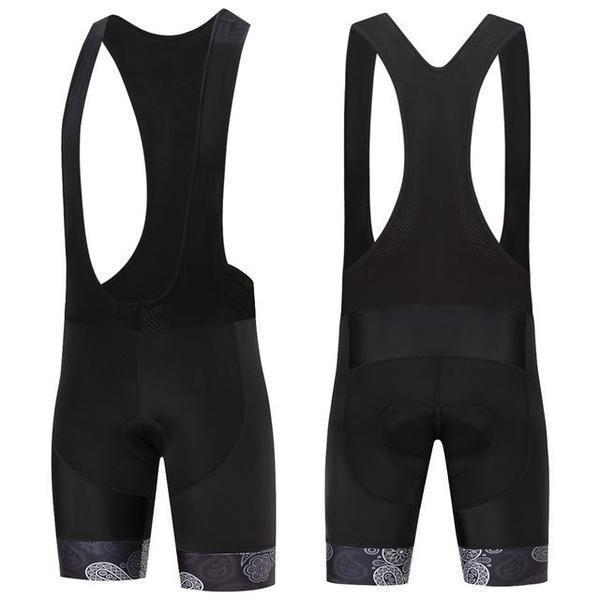
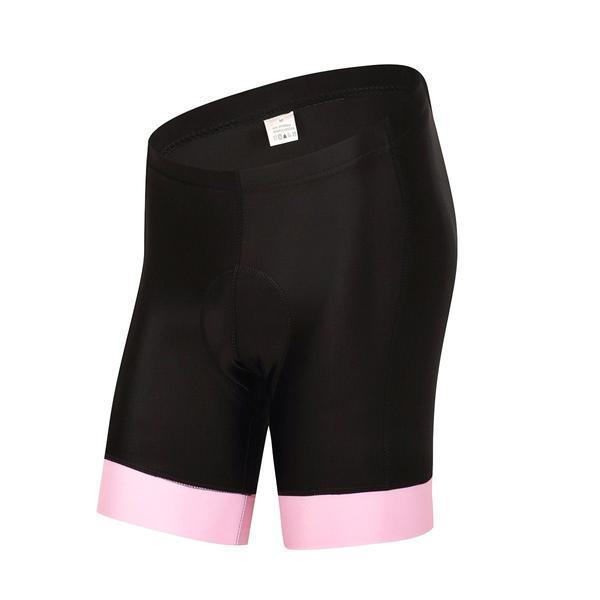
On hot summer days, the right layering is key to comfortable riding. Start with a lightweight, short-sleeve cycling jersey as your base layer. Choose breathable shorts to maximize airflow. Here are some additional tips:
- Wear sunglasses to protect your eyes from glare and debris.
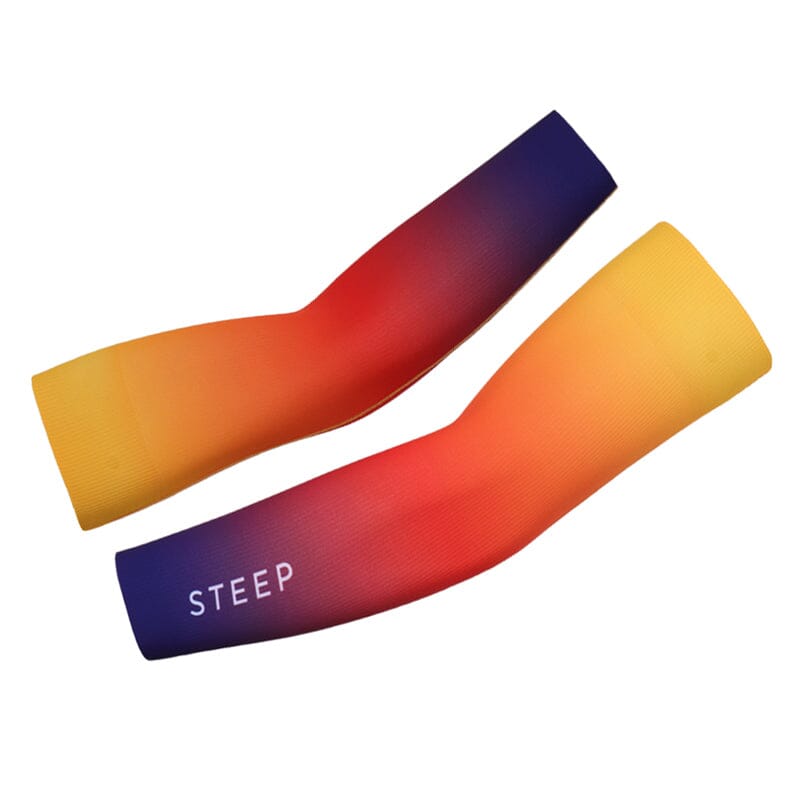
- Use lightweight arm sleeves that you can add or remove based on changing temperatures.
- Don’t forget the sunscreen for those exposed areas to prevent sunburn.
Cool Weather Riding
In cooler climates, layering becomes more complex. Start with a thermal long-sleeve cycling jersey as your base layer. Add an insulating layer like a lightweight jacket or vest. Remember to consider:
- Wearing cycling tights instead of shorts can provide extra warmth.
- Gloves and a headband or cap help maintain body heat and keep extremities warm.
- Consider using booties to keep your feet warm during chilly rides.
Wet Weather Riding
For riding in the rain, prioritizing waterproof gear is paramount. Start with a wicking base layer and a moisture-wicking cycling jersey. Add an insulating layer if it's particularly chilly. Key tips include:
- A waterproof cycling jacket is essential to shield against heavy rainfall.
- Waterproof shorts or tights can keep your lower half dry.
- Ensure your shoes are water-resistant, or wear overshoes for added protection.
The Role of Accessories in Layering
Accessories play a vital role in how well you can adapt your cycling kit across different weather conditions. From gloves to caps to neck gaiters, the right accessories enhance your comfort and performance. Let’s discuss some must-have accessories:
Headgear
A cycling cap is a great addition to your kit for both warm and cool weather. In summer, it helps wick away sweat and can be worn under your helmet. In colder weather, choose a thermal cap to keep your ears warm.
Hand Protection
Investing in a few pairs of gloves is the best way to handle varying temperatures. Lightweight gloves work well for warmer rides, while heavier, insulated gloves are essential for chilly temperatures.
Leg and Feet Warmth
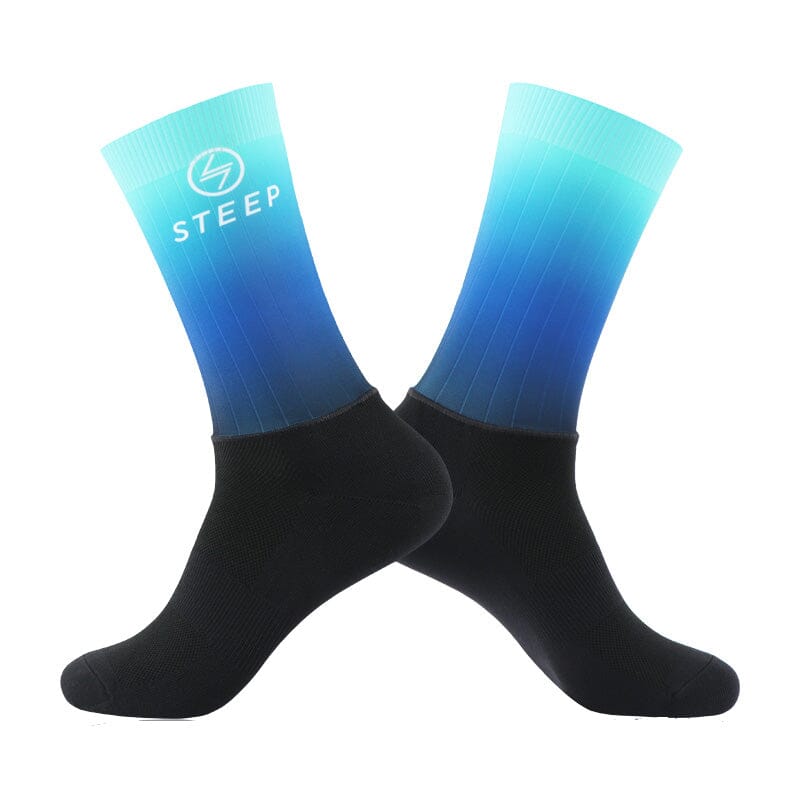
The extremities often get the coldest, so leg warmers and thermal socks can be very effective. Leg warmers are versatile and can be easily removed once you warm up, whereas thicker socks add necessary insulation for your feet.
Layering for Performance: The Science Behind It
Layering your cycling kit isn’t just about comfort; it’s also about maximizing performance. Each layer plays a crucial role in regulating body temperature and managing sweat. The science behind layering utilizes the principles of thermoregulation, which is vital during physical exertion.
Understanding how your body reacts to heat and sweat can lead to more successful rides. As you ride, your body generates heat, and improper layering can lead to overheating or excessive cooling. By layering effectively, you can maintain optimal body temperature, which directly affects endurance and performance.
Optimal Comfort and Peak Performance
Feeling comfortable in your cycling kit translates to better focus on the road ahead. If you are wet and cold, your mind will be preoccupied with discomfort, which can impede your performance. Layering assists in keeping your muscles warm, promotes blood circulation, and helps in maintaining energy levels.
The Best Practices for Layering Your Cycling Kit
Now that you have a roadmap for layering, let’s review some best practices to ensure your cycling experience remains enjoyable regardless of the weather:
- Check the weather forecast before heading out to determine your layering needs.
- Invest in quality materials; they make a significant difference in comfort.
- Practice layering at home with different weather scenarios to find what works best.
- Stay prepared for emergencies; pack extra layers in your bag if you are planning long rides.
Find Your Perfect Cycling Kit
Your cycling kit is an essential part of how you experience your rides. Understanding how to effectively layer your cycling jersey and other components not only protects you from the unpredictable elements but also enhances your performance and overall cycling experience. Experiment with different combinations to find what suits your body, preferences, and cycling style best!
As you embark on your cycling adventures, remember that the right layering techniques can transform your ride from uncomfortable to exhilarating. With the proper approach, you’ll be ready to tackle whatever weather conditions come your way and stay focused on the journey ahead—pushing your limits and enjoying the beauty of cycling like never before. Here’s to many thrilling rides ahead!



Leave a comment