


The Psychology of Color in Cycling Kit Choices

Overview
Choosing the right cycling kit involves more than comfort; color psychology plays a crucial role in mood and performance. Different colors evoke distinct emotions—red energizes, blue calms, green symbolizes nature, and black conveys authority. The colors you wear not only impact your mindset but also influence how others perceive you. Consider your personality, environment, and practical needs when selecting your cycling gear to enhance your experience on the road.
Table of Contents
- Understanding Color Psychology
- The Basics of Color Associations
- Your Cycling Kit Matters
- Impact of Color on Performance
- The Social Aspects of Colors in Cycling
- Team Colors: Unity and Belonging
- Individual Expression
- The Role of Color in Marketing Supportive Cycling Gear
- Branding and Recognition
- Seasonal Trends and Color Innovation
- Choosing Your Perfect Cycling Kit Color
- Your Personality and Preferences
- Consider Your Environment
- Practical Considerations Beyond Color
- Final Thoughts on Choosing Colors Wisely
Key Takeaways
- Color Psychology Matters: The colors you wear can influence your mood, performance, and how others perceive you.
- Color Associations: Different colors evoke distinct feelings; for example, red signifies energy, while blue promotes calmness.
- Impact on Performance: Wearing vibrant colors can enhance your mental state, potentially improving your cycling experience.
- Team Dynamics: Team colors foster unity and belonging, making members easily identifiable during events.
- Individual Expression: Unique color choices allow cyclists to express their personality and invite engagement within the cycling community.
- Marketing Influence: Brands use color strategically to resonate with target audiences and create brand recognition.
- Practical Considerations: Beyond color, prioritize fit, comfort, and functionality when selecting your cycling kit.
When it comes to cycling, selecting the right kit isn’t just about comfort and functionality; it’s also heavily influenced by the science of color psychology. The colors we wear can affect our mood, performance, and even the perception of those around us. In this blog post, we'll explore how color affects our choices in supportive cycling gear and what that may mean for your next cycling kit purchase.
Understanding Color Psychology
Color psychology is the study of how colors influence human behavior and emotions. It’s a fascinating field that intersects with marketing, design, and even sports. In cycling, the colors you choose for your kit can impact not only your performance but also how others perceive you on the road.
The Basics of Color Associations
Different colors evoke different feelings and associations. Here’s a brief overview:
- Red: Often associated with energy and passion. Wearing red can evoke feelings of power and increase your performance enthusiasm.
- Blue: Known for its calming effects, blue can help reduce anxiety and promote focus, making it ideal for those who want a peaceful ride.
- Green: Symbolizes nature and balance. A green cycling kit can inspire harmony and is often preferred by those passionate about the environment.
- Yellow: This bright color signifies happiness and positivity, making it a popular choice for riders looking to stand out and spread good vibes.
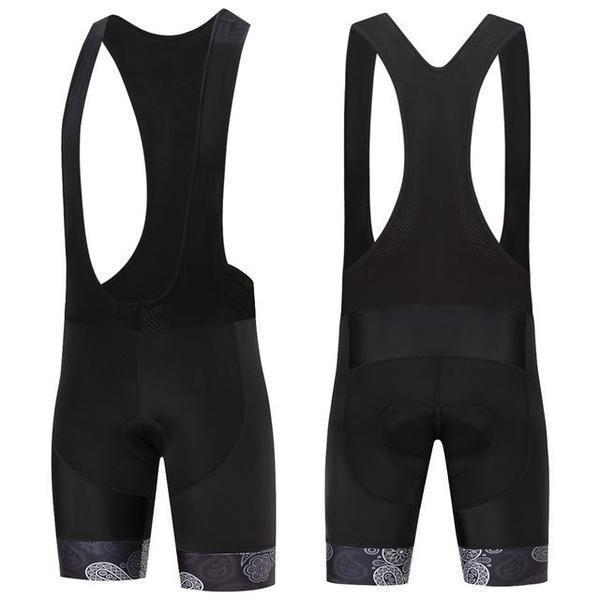
- Black: Represents elegance and authority; a black cycling kit can create a powerful impression and portray professionalism.
- White: Often associated with purity and simplicity, white provides a clean and fresh look, perfect for those who prefer minimalism.
Your Cycling Kit Matters
The cycling kit you choose is more than just what looks good; it’s about function, comfort, and of course, color. When cyclists decide on their cycling gear, they might be consciously or subconsciously aligning with the psychological effects of colors.
Impact of Color on Performance
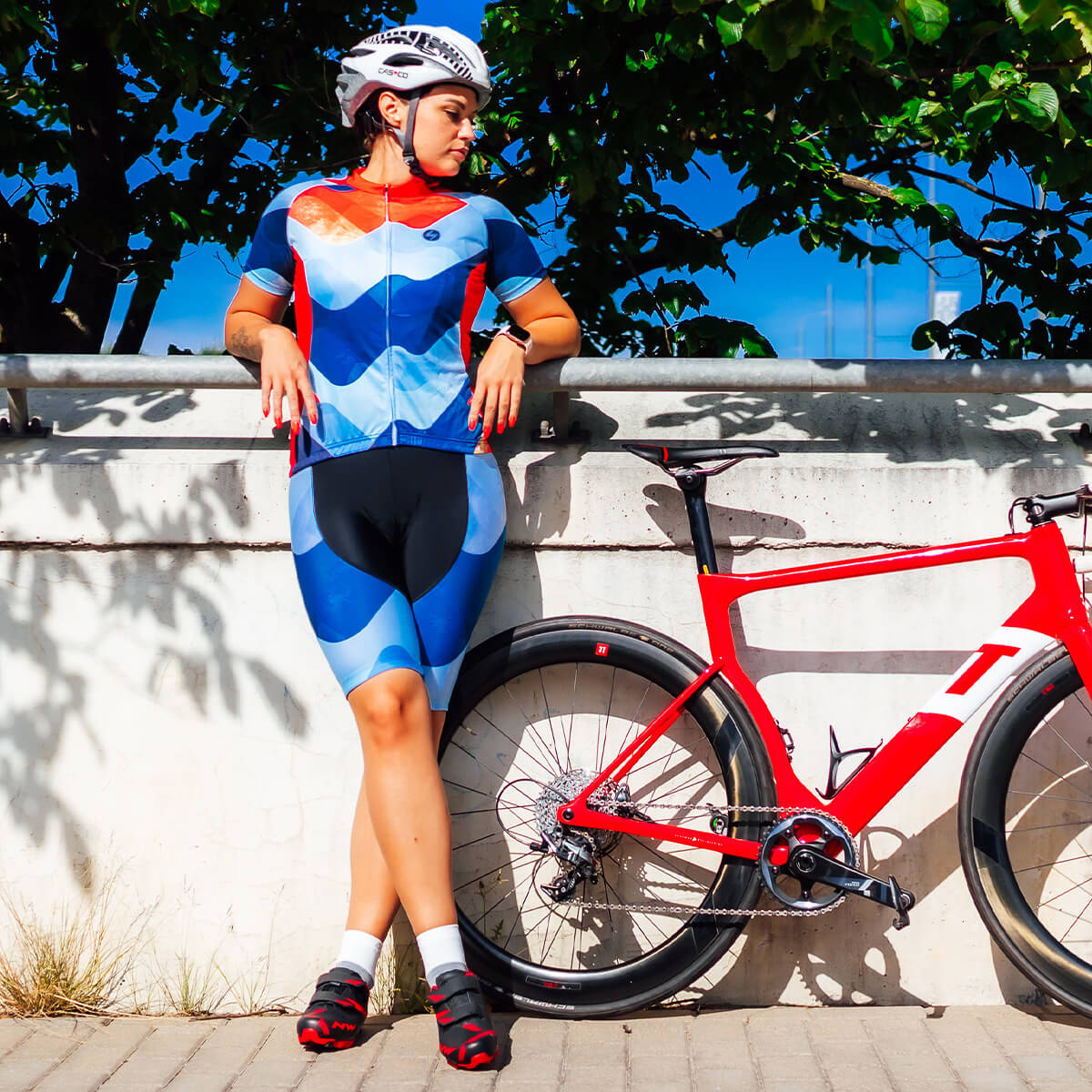
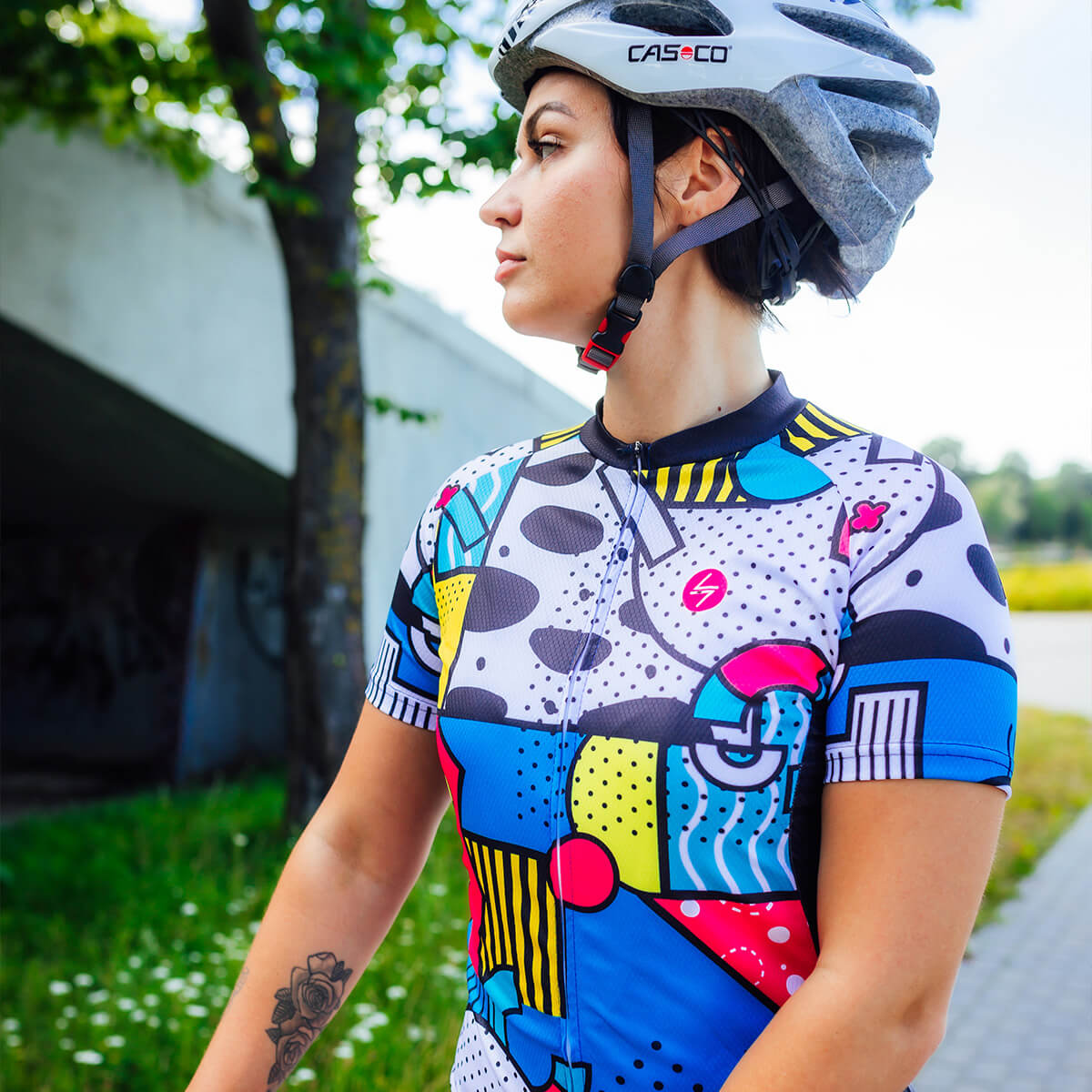
Research shows that what you wear can influence your mental state. Colors might not change your physical capabilities, but they can enhance your mindset. For instance, athletes often report feeling more energetic when dressed in vibrant colors like red and orange. Therefore, when looking for supportive cycling gear, considering the color of the clothing can improve not only your performance but your overall experience.
The Social Aspects of Colors in Cycling
The colors of your cycling kit can also communicate a message to those around you. Whether you're part of a cycling team, riding solo, or commuting to work, the colors you choose can influence interactions and perceptions from other cyclists, motorists, and pedestrians.
Team Colors: Unity and Belonging
For many cycling teams, colors are not just a personal choice but a representation of unity. Wearing team colors can instill a sense of belonging and camaraderie. It’s about pride and spirit. Bright colors can make team members easily identifiable during events or races, benefiting strategic group dynamics.
Individual Expression
Outside of team dynamics, cyclists often use their kits to express their individuality. Choosing unique or vibrant colors can make a personal statement. The cycling community embraces this individuality, and wearing an eye-catching color can invite engagement with fellow cyclists and enthusiasts.
The Role of Color in Marketing Supportive Cycling Gear
In the world of cycling gear retail, color plays a key role in marketing strategies. Brands often utilize color to appeal to specific demographics and resonate emotionally with their target audience.
Branding and Recognition
Colors can become synonymous with a brand. Think of certain cycling brands that are instantly recognizable by their signature colors. This can significantly impact consumer choices; a familiar color can create a sense of trust and reliability offers in brands selling supportive cycling gear.
Seasonal Trends and Color Innovation
In addition to branding, seasonal trends also govern color choices in cycling kits. Bright colors may dominate the spring and summer ranges, while warmer and darker tones are often favored in fall and winter collections. Brands often innovate with color every season, keeping the cycling gear fresh and appealing.
Choosing Your Perfect Cycling Kit Color
The psychology behind color can be a compass to guide your choices when selecting supportive cycling gear. If you’re uncertain about which color to choose, consider the following:
Your Personality and Preferences
Your preferred colors can reflect your personality. Are you bold and energetic? Go for vibrant shades. Prefer a refined aesthetic? Choose classic black or white. Understanding your personal style can help you pick a cycling kit that feels authentic to you.
Consider Your Environment
When cycling outdoors, consider the environment you'll be riding in. In bustling city areas, brighter colors can enhance visibility and safety, making you more noticeable to others. In more tranquil or remote areas, earthy tones might blend beautifully with nature.
Practical Considerations Beyond Color
While color is essential, don’t forget other factors when selecting your cycling kit. These include:
- Fit and Comfort: Make sure your cycling kit fits well and is made from breathable materials.
- Functionality: Consider features like pockets, zippers, and moisture-wicking fabrics for a better riding experience.
- Seasonality: Think about whether you need thermal layers for winter rides or lightweight materials for hot summers.
Final Thoughts on Choosing Colors Wisely
In the end, the color of your cycling kit goes beyond mere aesthetic appeal. Embracing the psychology of color can give you an edge in performance, allowing you to select supportive cycling gear that resonates with your personal style and enhances your experience on the road. The next time you're in the market for a new cycling kit, give a thought to the colors that speak to you, and consider the emotions they stir. Happy cycling and may your color choices lead you to great rides ahead!
Frequently Asked Questions
1. What is color psychology in cycling?
2. How do different colors impact cycling performance?
3. Why is the color of a cycling kit important?
4. What considerations should I have when choosing a cycling kit color?
5. Are there practical factors to consider beyond color when selecting cycling gear?
Glossary
| Term | Meaning |
|---|---|
| Color Psychology | The study of how colors influence emotions and behavior. |
| Color Associations | Feelings or ideas connected to specific colors. |
| Team Colors | Colors representing unity and identity within a cycling team. |
| Individual Expression | Using colors to showcase personal style and uniqueness. |
| Branding | Using colors to create recognition and trust in a brand. |
| Visibility | Importance of color for safety and being seen while cycling. |
| Seasonal Trends | Changing color preferences based on the time of year. |
| Fit and Comfort | Ensuring the cycling kit is well-fitted and comfortable. |
| Functionality | Features that enhance the usability of cycling gear. |
| Moisture-Wicking | Fabric technology that helps keep the body dry during rides. |
Linked Product

Flamingo Cycling kit
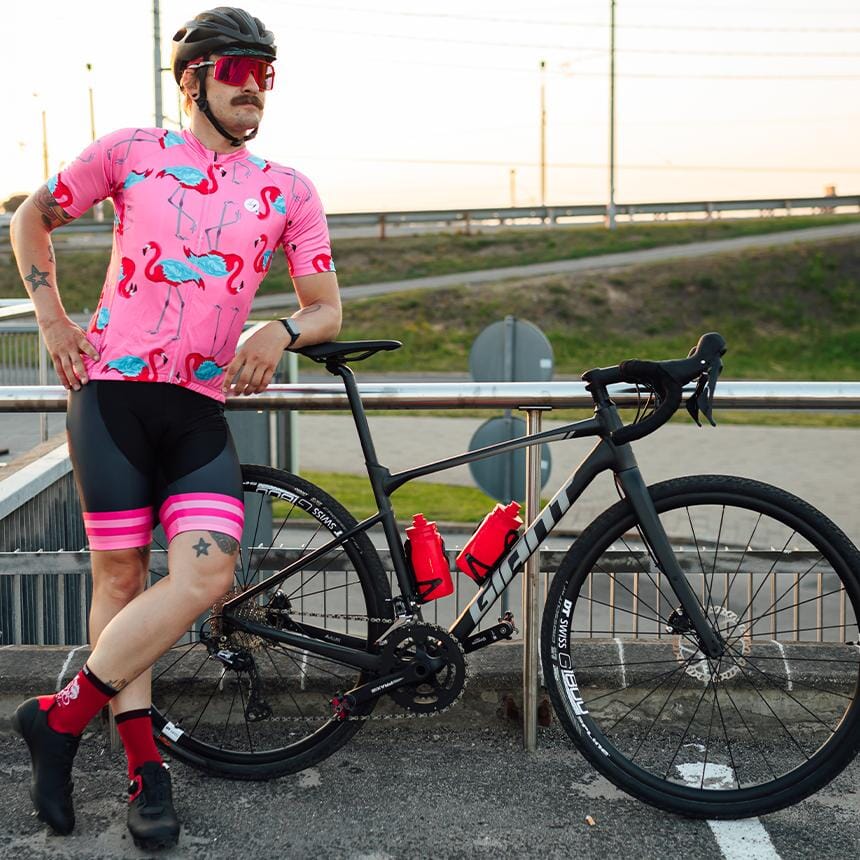
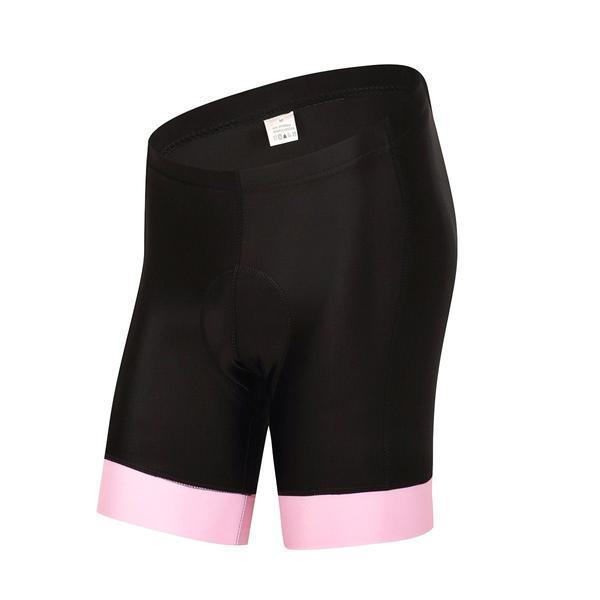
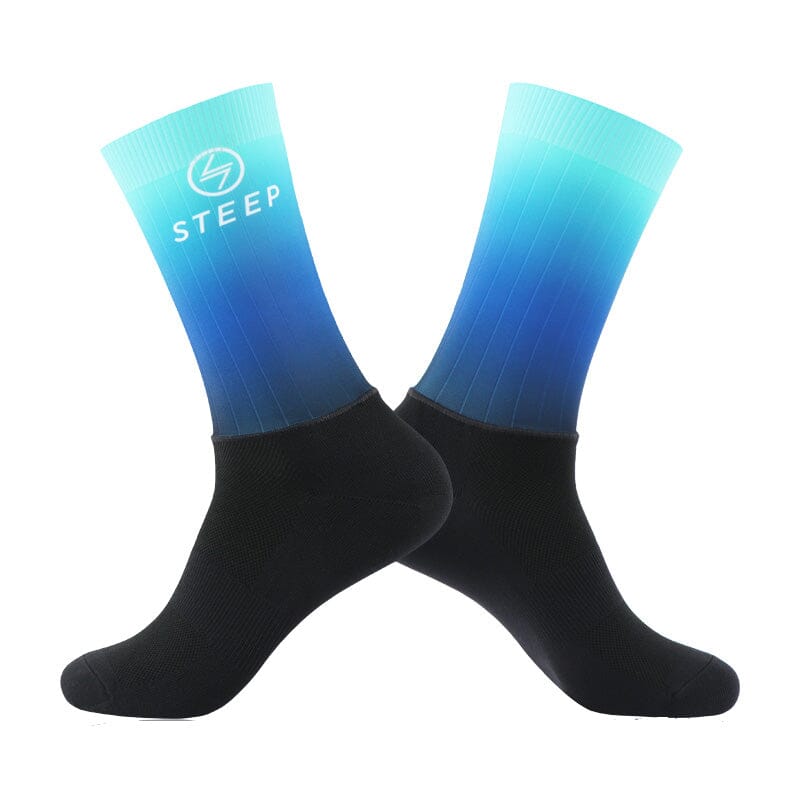
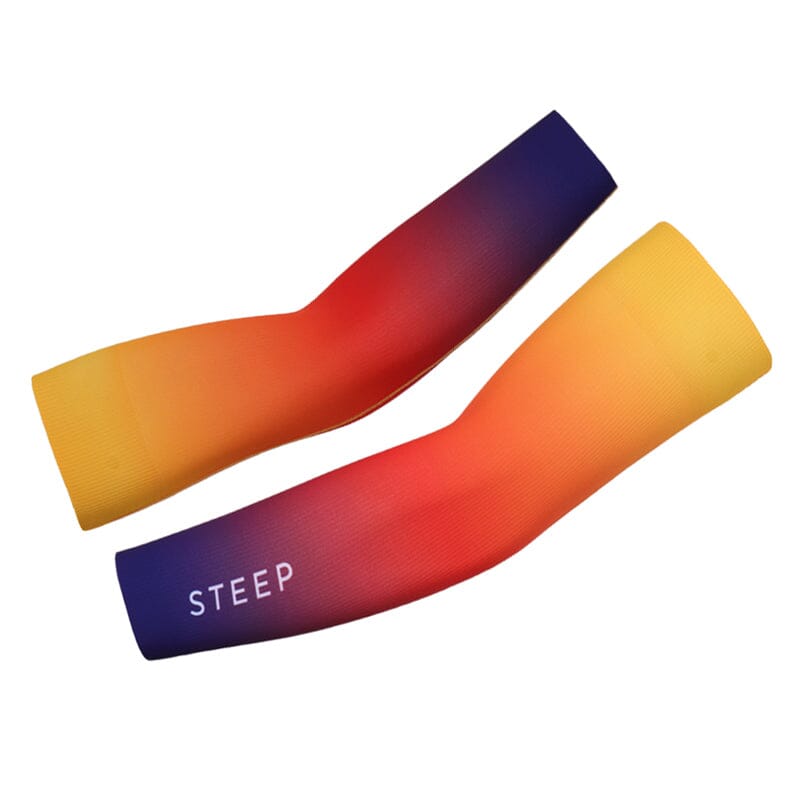
The Flamingo Cycling Kit offers a stylish yet practical solution for cyclists looking to enhance their riding experience. With breathable materials and a lightweight design, it helps keep you comfortable during long rides. The silicone gripper bands and aero sleeves ensure a secure fit, making it suitable for both urban commutes and scenic adventures.
View Product



Leave a comment