


The Influence of Cycling Culture on Kit Trends

Overview
Cycling culture is rapidly evolving, influencing trends in cycling kits through aesthetics, inclusivity, sustainability, and technology. Social media plays a key role in shaping styles and community-driven designs, while brands adapt to demand for eco-friendly materials and personalized options. As cycling becomes a lifestyle choice, the future of cycling apparel promises a blend of function, fashion, and innovation.
Frequently Asked Questions
1. How has cycling culture influenced kit trends?
2. What role does social media play in cycling trends?
3. How are cycling kits becoming more inclusive?
4. What sustainable practices are being adopted in cycling apparel?
5. How is technology integrated into modern cycling kits?
Cycling has transformed from a simple mode of transportation to a vibrant culture that influences trends across fashion, technology, and lifestyle. The cycling community is constantly evolving, and with that evolution comes an array of changes to the cycling kit that riders don on their adventures. This article will delve into how cycling culture shapes the latest kit trends, and what those trends mean for riders and retailers alike.
The Rise of Cycling Culture
In recent years, cycling has surged in popularity, thanks in part to its environmental benefits, health advantages, and the thrill it provides. As more people take to the streets and trails, a distinct cycling culture has emerged, characterized by its own aesthetics, community values, and gear. The rise of this culture has dramatically influenced the cycling kit market.
The Social Aspects of Cycling
Cycling is no longer just an individual pursuit; cycling communities have sprouted worldwide, fostering a sense of camaraderie among riders. Local clubs, organized races, and charity events create opportunities for cyclists to connect, share experiences, and influence one another’s choices regarding cycling kit. The collective energy of these communities inspires brands to innovate and adapt their offerings, leading to new trends in cycling apparel.
The Impact of Social Media
Social media platforms have played a pivotal role in shaping cycling culture and kit trends. Cyclists now share their experiences using hashtags, showcasing the latest trends and brands while inspiring their followers to join the movement. Platforms like Instagram and TikTok have become visual galleries where cyclists flaunt their favorite cycling kits, often leading to viral trends. This exposure encourages brands to be more creative in their designs, catering to modern tastes and preferences.
From Function to Fashion
The cycling kit has traditionally emphasized functionality, focusing on performance, comfort, and practicality. However, as cycling culture continues to flourish, the aesthetic aspects of cycling apparel have gained equal importance. Riders want to look good while performing at their best, causing a shift toward more stylish designs that marry form and function.
Color Palettes and Patterns
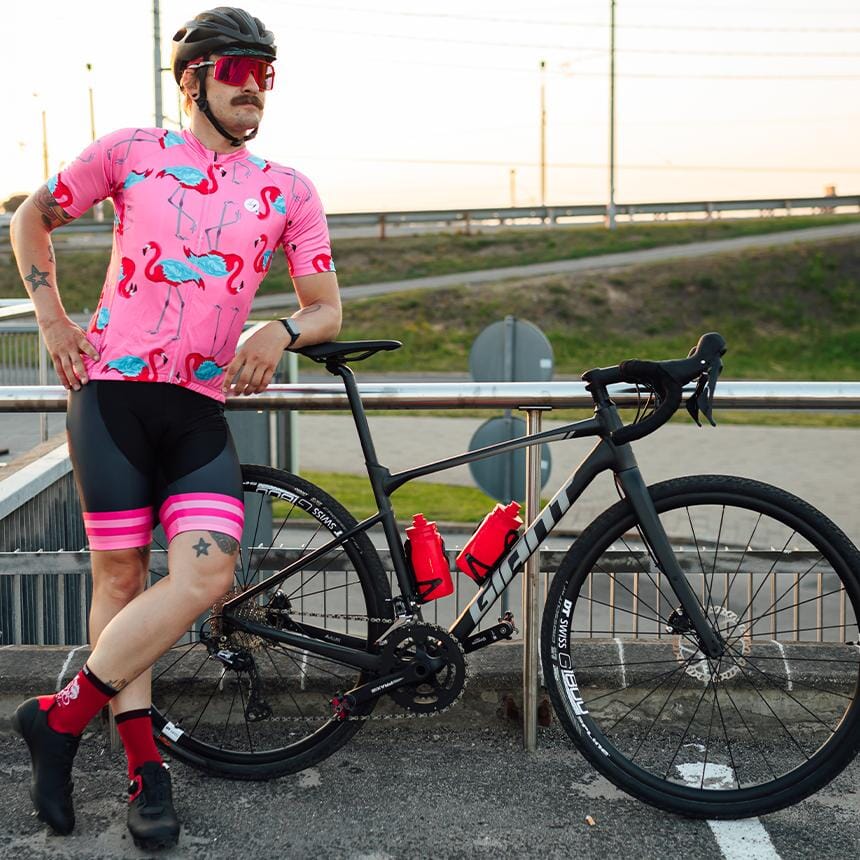
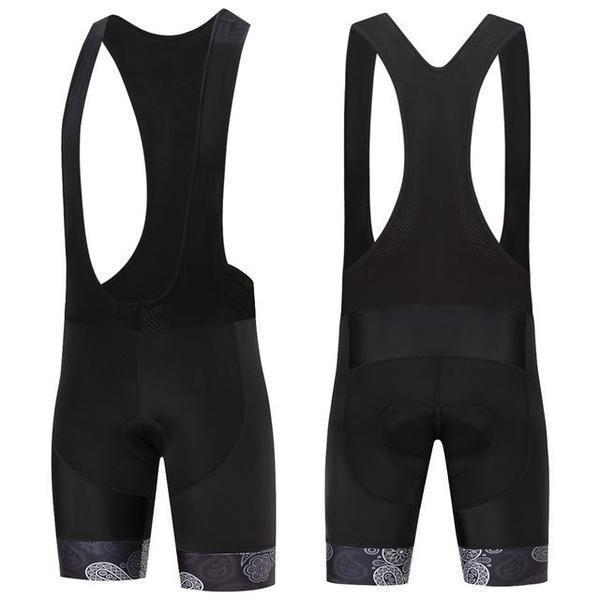
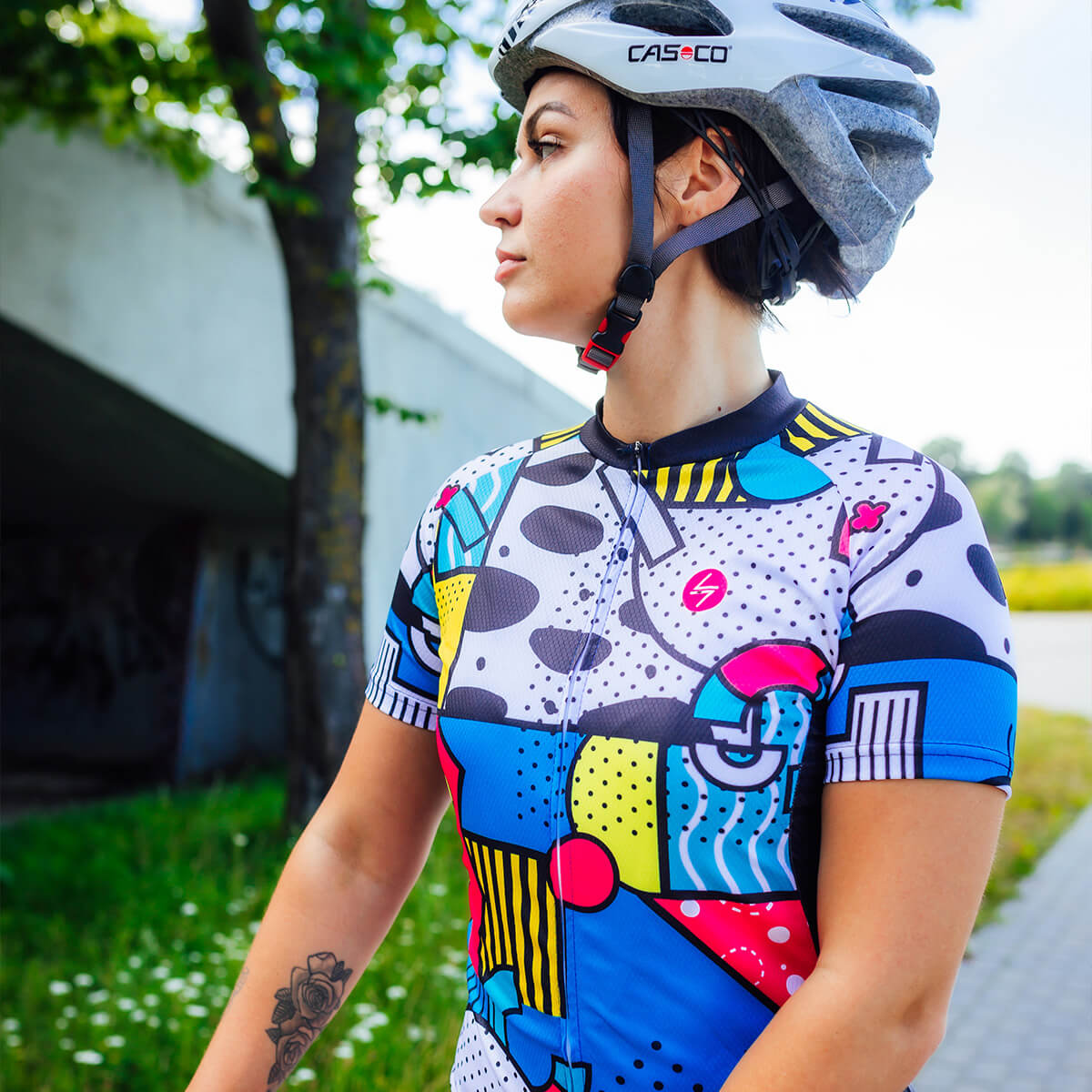
Modern cycling kits are witness to bold color palettes and trendy patterns. Riders are no longer confined to basic colors but are embracing vibrant hues and unique prints that reflect their personalities. Customization options and branding have flourished, allowing cyclists to express themselves through their kit choices, whether on the road, gravel, or mountain biking trails.
Material Innovation
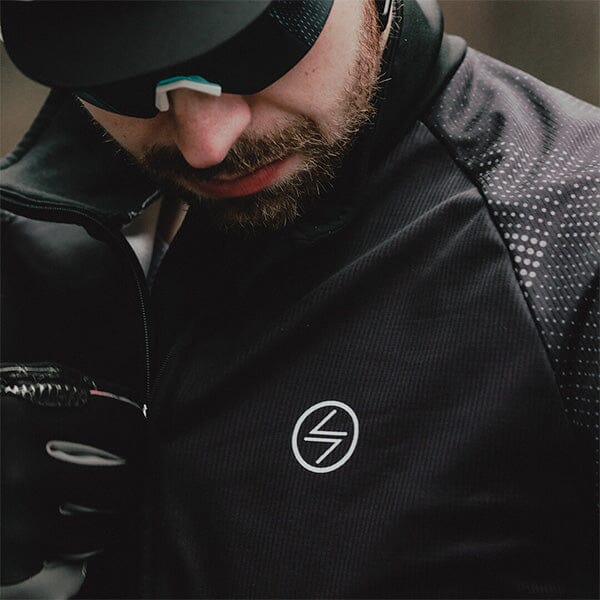
Advancements in fabric technology have allowed for the development of breathable, moisture-wicking materials that enhance performance. The materials used in modern cycling kits are designed not only for comfort but also to incorporate new aesthetic features, such as reflective elements for safety and embedded UV protection to ward off harmful rays. Brands are leaning into these innovations to create kits that stand out, both in performance and in style.
Inclusivity in Cycling Kits
The cycling culture has adopted inclusivity, advocating for a broader range of body types, genders, and abilities within the community. As awareness of this need has grown, so has the evolution of cycling kit offerings. Brands are now providing a wider size range and diverse designs that cater to all cyclists, making the sport more approachable than ever.
Gender-Specific Kits
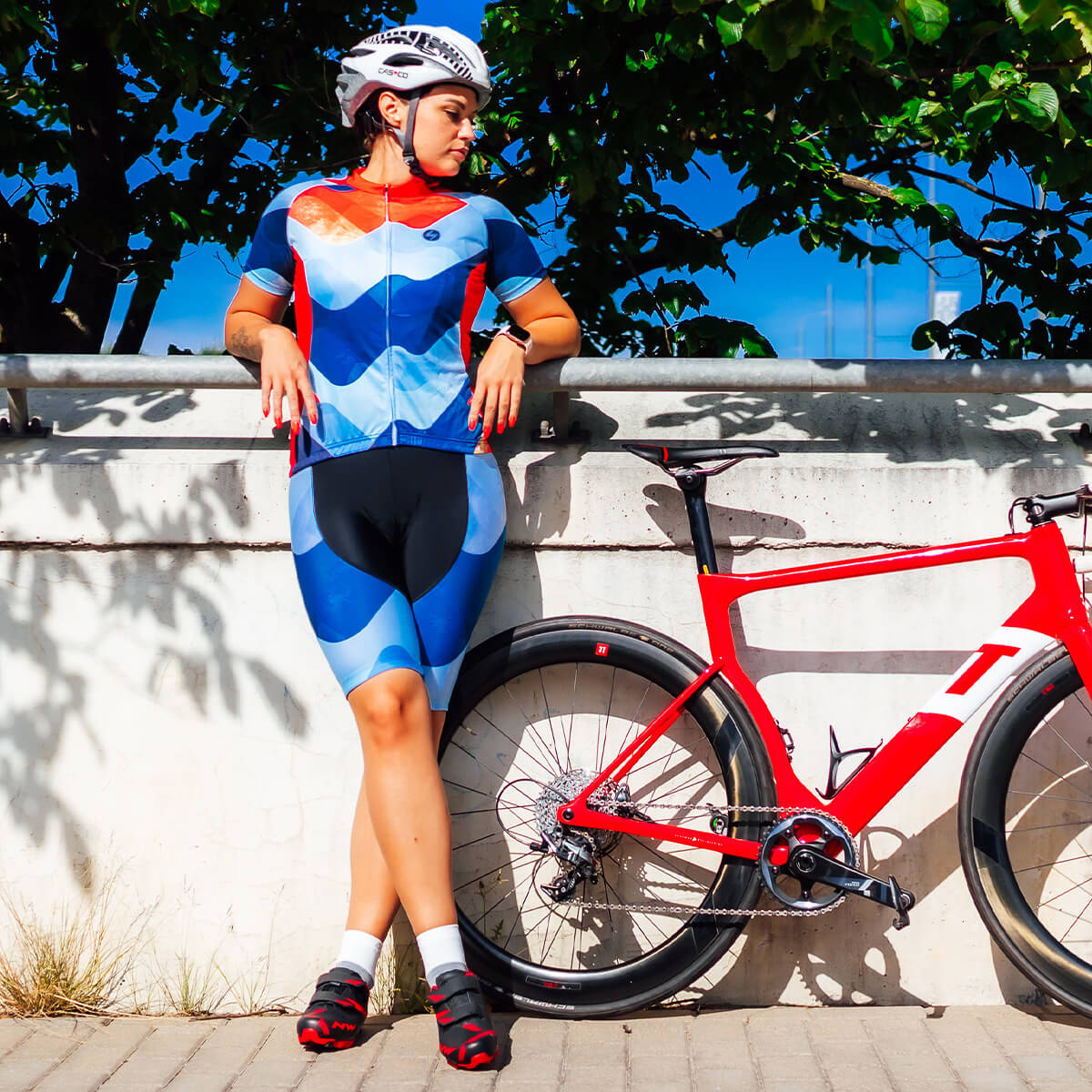
Traditionally, cycling kits were predominantly designed for men. However, the cycling culture's evolution has seen an increasing demand for high-quality, functional, and stylish kits for women. Brands are stepping up, offering gender-specific options that enhance comfort and fit without compromising on style. This growing diversity in design is not only changing the landscape of cycling apparel but also encouraging more women to join the cycling community.
The Eco-Friendly Movement
As awareness of environmental issues grows, cycling culture reflects a significant shift toward sustainability. The demand for eco-conscious cycling kits is on the rise, with many brands now prioritizing sustainable materials and ethical production methods. This eco-friendly approach is revolutionizing how cycling kits are designed and manufactured, impacting both sales and consumer choices.
Materials with a Purpose
Eco-friendly cycling kits often incorporate recycled materials, offering a solution to combat waste while maintaining performance standards. Companies are experimenting with alternative textiles, such as organic cotton and innovative synthetics, that create minimal environmental impact. This trend allows cyclists to feel good about both their performance on the bike and the responsibility they hold toward the planet.
Transparent Manufacturing Processes
Consumers today are becoming more aware of the origins of their purchases, leading brands to embrace transparency in their manufacturing processes. By revealing information about their sourcing, production methods, and labor practices, brands can build trust with consumers. This transparency complements the desire for cycling kits made with care, adding another layer of appeal for conscientious cyclists.
The Role of Technology in Cycling Kits
With the rise of digital technology, the cycling kit has transcended mere clothing and evolved into a fusion of style and smart technology. Wearable technology is becoming increasingly integrated into cycling apparel, providing riders with enhanced capabilities and new experiences.
Smart Fabrics
The advent of smart fabrics has transformed the way cyclists interact with their gear. These innovative materials can monitor body temperature, heart rates, and even hydration levels, providing real-time feedback on performance. As this technology continues to develop, so will the cycling kits of the future, providing cyclists with personalized data to optimize their rides.
Wearable Tech
Devices like fitness trackers and smart helmets are becoming commonplace among cyclists. As these technologies become more sophisticated, brands have recognized the opportunity to integrate them into the cycling kit. From built-in pockets for devices to kits that can charge smart gadgets, the merging of wearables and cycling apparel is reshaping what cyclists expect from their gear.
The Global Influence of Cycling Cultures
Cycling is a global sport that varies significantly from one region to another, each with its own unique styles and trends. The cultural diversity of cycling influences cycling kit trends significantly, creating a vibrant marketplace that caters to various tastes and preferences.
Cultural Inspirations
From the colorful kits of France’s Tour de France to the minimalist styles favored in Nordic countries, cultural influences permeate every aspect of cycling apparel. Brands often draw inspiration from different regions, leading to the creation of unique, standout pieces that resonate with local and international audiences.
Community-Driven Designs
Local cycling communities often push for unique designs that showcase regional pride and identity. Many brands now collaborate with local artists and designers to produce limited-edition cycling kits that celebrate the culture and heritage of cycling hotspots. This community-driven approach not only infuses creativity into cycling kits but also fosters a sense of belonging among cyclists.
Shifting Market Dynamics
The modern cycling culture’s influence on the market is substantial. With increasing competition and a rapidly evolving customer base, brands must adapt their cycling kits not only to stand out but also to align with their audience's values and preferences.
Direct-to-Consumer Brands
The rise of e-commerce has prompted many cycling kit brands to adopt a direct-to-consumer model. By selling directly through their platforms, these brands can foster a stronger connection with their audience, which often results in tailored products that better meet their customers' needs. This trend allows brands to gather valuable insights into preferences, driving innovation in cycling kit design.
Customizable Kits
As consumer preferences shift, personalization has become key. Many brands now allow cyclists to customize their kits, choosing colors, designs, and even functionality to create a truly unique cycling experience. This level of personalization not only appeals to individual tastes but also builds brand loyalty among discerning customers.
Riding into the Future
The influence of cycling culture on kit trends is a testament to the sport's resilience and adaptability. As more people embrace cycling as a lifestyle choice, the cycling kit will continue to evolve alongside these changing preferences. The fusion of fashion, functionality, sustainability, and technology will further shape the landscape of cycling apparel, making it a thrilling time to be part of the cycling community.
As athletes, casual riders, and communities unite under the banner of cycling, the future of cycling kits holds endless possibilities. The continued intersection of culture, technology, and personal expression promises a vibrant array of options for cyclists everywhere. So whether you’re a seasoned pro or just starting your cycling journey, one thing is clear—your cycling kit is more than just clothing; it’s an extension of your identity and values on the road.



Leave a comment