


The Power of Moisture-Wicking Fabrics in Cycling Kits

Overview
Moisture-wicking fabrics are essential for cyclists, enhancing comfort, temperature regulation, and performance. These fabrics pull moisture away from the body, reduce chafing, and allow for efficient sweat management. Investing in a ventilated cycling jersey can further improve airflow and keep you cool during rides. Choose the right materials like polyester, nylon, or merino wool for optimal performance, and ensure a proper fit for the best experience. Proper care of your cycling kit is crucial for maintaining its effectiveness.
Table of Contents
- What Are Moisture-Wicking Fabrics?
- Benefits of Moisture-Wicking Fabrics in Your Cycling Kit
- Enhanced Comfort
- Temperature Regulation
- Improved Performance
- Lightweight and Quick-Drying
- Why Choose a Ventilated Cycling Jersey?
- Increased Airflow
- Efficient Sweat Management
- Stylish Designs
- Material Matters: What to Look For
- Sizing Up for the Perfect Fit
- Tailored or Loose?
- Taking Care of Your Cycling Kit
- Stay Active, Stay Comfortable
Key Takeaways
- Moisture-wicking fabrics are essential for cyclists as they pull moisture away from the body, enhancing comfort and performance.
- These fabrics help regulate body temperature by allowing sweat to evaporate quickly, preventing overheating during rides.
- Investing in moisture-wicking gear reduces chafing and irritation, allowing cyclists to focus on their performance.
- Ventilated cycling jerseys improve airflow, further enhancing breathability and comfort on hot days.
- Choosing the right materials, such as polyester, nylon, or merino wool, is crucial for effective moisture management.
- A proper fit is important; gear should be snug but not restrictive to maximize the benefits of moisture-wicking technology.
- Proper care, including washing in cold water and avoiding fabric softeners, is necessary to maintain the performance of moisture-wicking fabrics.
Cycling is not just a sport; it’s a lifestyle. Whether you’re a casual rider or a dedicated cyclist, the right gear can significantly enhance your overall cycling experience. One crucial element that should never be overlooked is the type of fabric used in your cycling kit. In particular, moisture-wicking fabrics play a vital role in keeping you comfortable and performing at your best. Let’s dive into why moisture-wicking materials are essential for any cyclist.
What Are Moisture-Wicking Fabrics?
Moisture-wicking fabrics are specifically designed to pull moisture away from your body and transport it to the exterior of the fabric, where it can evaporate more quickly. This feature is particularly beneficial for cyclists who often experience increased perspiration during rides. Unlike traditional fabrics that can retain moisture, leading to discomfort and chafing, moisture-wicking materials are engineered to keep you dry and comfortable.
Benefits of Moisture-Wicking Fabrics in Your Cycling Kit
Investing in cycling kits made with moisture-wicking materials can dramatically improve your performance and comfort levels. Let’s explore the many advantages:
Enhanced Comfort
The signature benefit of moisture-wicking fabrics is comfort. Staying dry during a ride means less chafing and irritation. When you wear a ventilated cycling jersey made from these advanced materials, you are less likely to suffer from skin irritation, allowing you to focus entirely on the road ahead.
Temperature Regulation
When riding, managing your body temperature is crucial. Moisture-wicking fabrics help regulate your body temperature by allowing sweat to evaporate quickly, thus keeping you cool during intense rides. This is particularly important on hot days when overheating can lead to fatigue and decreased performance.
Improved Performance
Every athlete knows that discomfort can hinder performance. By reducing moisture and maintaining a comfortable temperature, moisture-wicking fabrics allow you to push your limits. You can ride longer and harder without being bogged down by the weight of wet clothing.
Lightweight and Quick-Drying
Many moisture-wicking cycling kits are lightweight and designed for fast drying. If you’re cycling in unpredictable weather or planning multiple rides in a day, having gear that dries quickly can be a game-changer. You can easily stash your kit in your bag without worrying about unpleasant odors or mildew.
Why Choose a Ventilated Cycling Jersey?
Opting for a ventilated cycling jersey can offer even more advantages when paired with moisture-wicking technology. These jerseys often feature mesh panels or additional openings to promote airflow, enhancing breathability and reducing overheating even further. Here’s why you should consider adding a ventilated cycling jersey to your collection:
Increased Airflow
Ventilated jerseys allow air to circulate through the fabric, significantly reducing body heat during rides. This enhances the effectiveness of moisture-wicking properties, ensuring you remain both dry and cool.
Efficient Sweat Management
The combination of moisture-wicking fabric and ventilation allows for efficient sweat management. They work together synergistically, pulling moisture away from your skin, while allowing fresh air to flow in, keeping you comfortable even during strenuous rides.
Stylish Designs
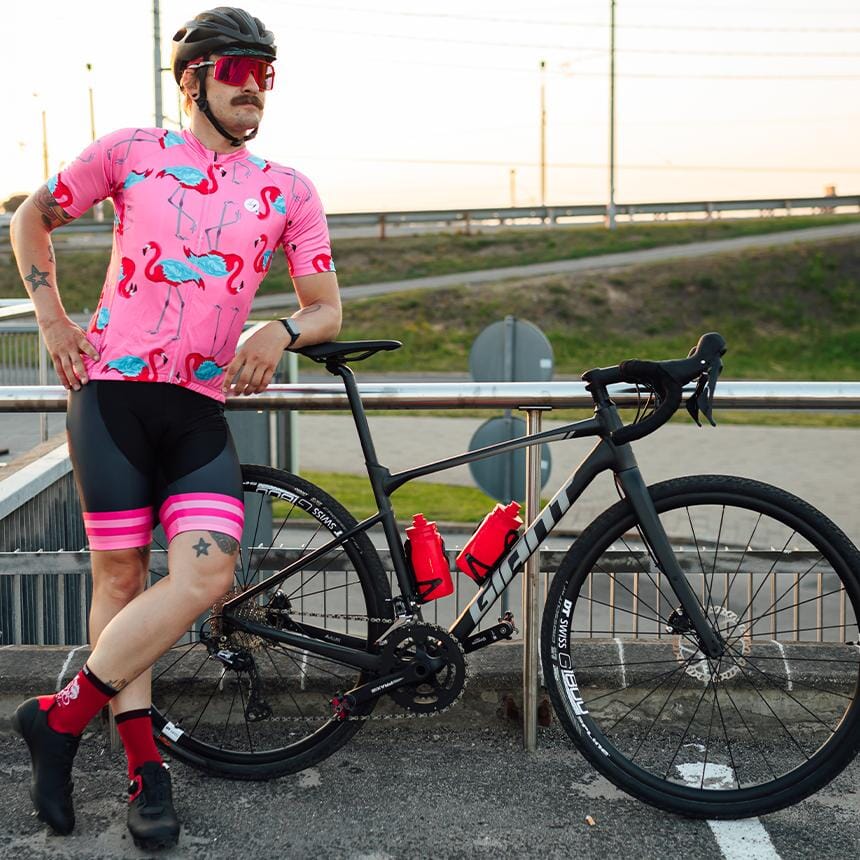
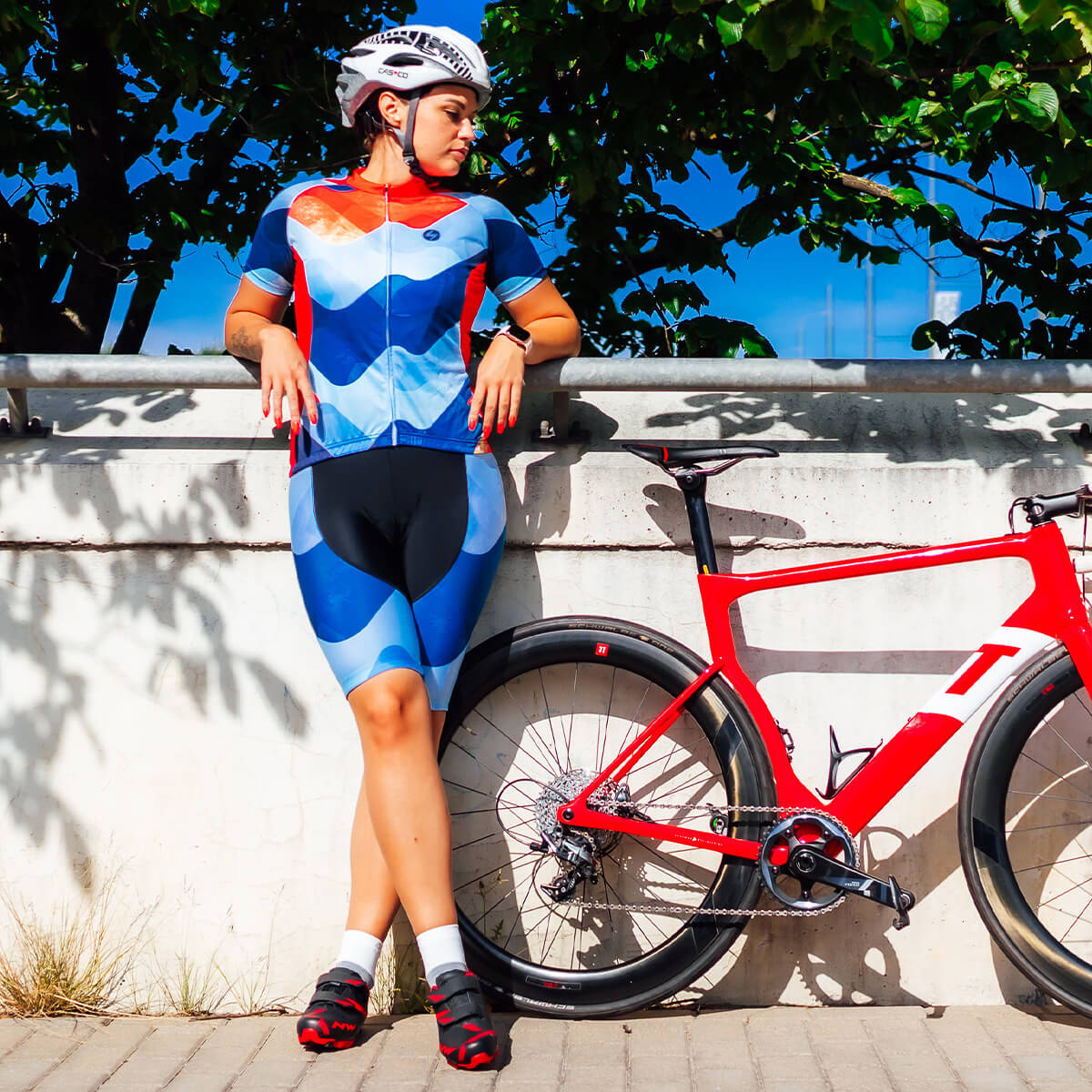
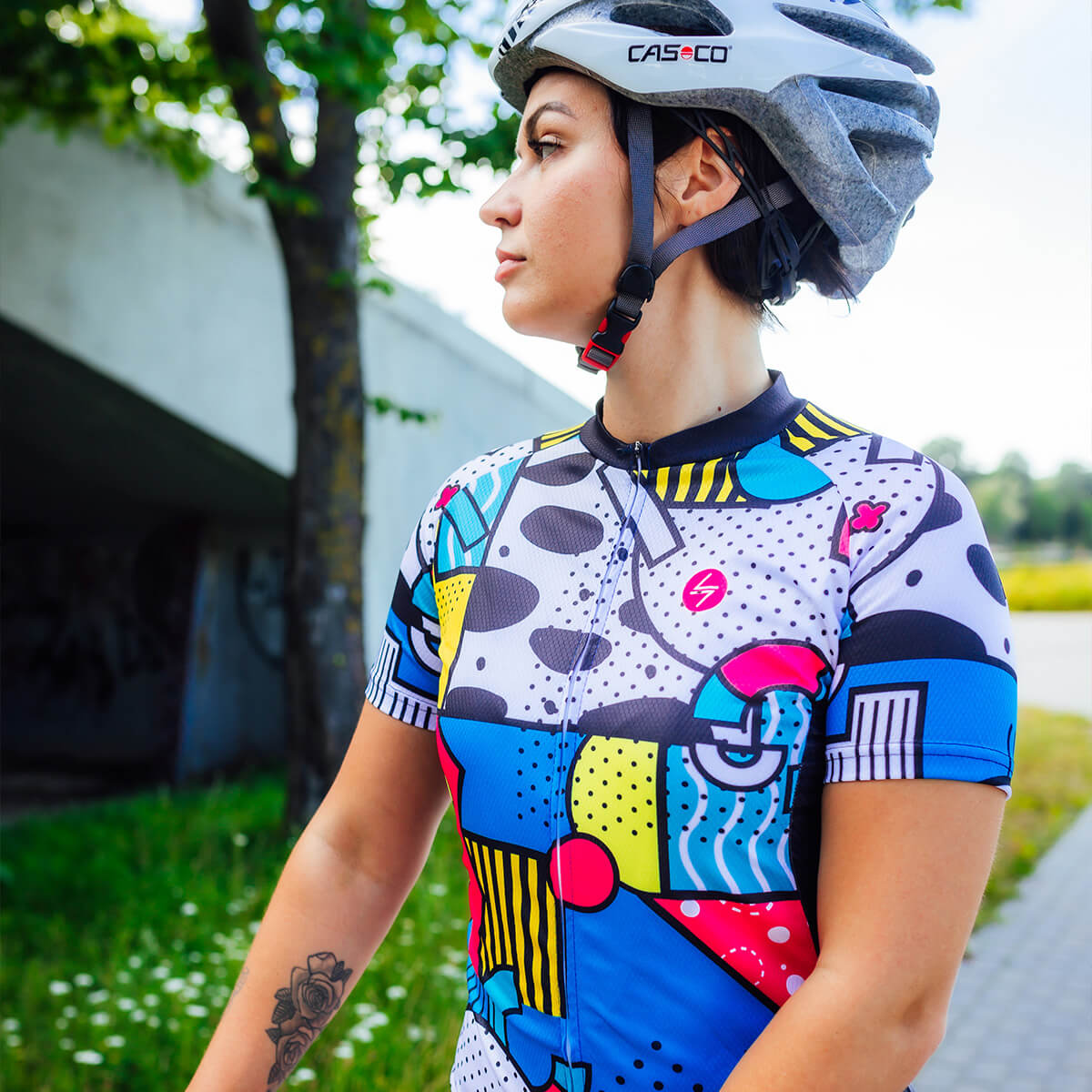
Modern cycling kits come in a variety of colors and styles, making it easy to express your personality while enjoying the benefits of advanced fabric technology. A ventilated cycling jersey can feature fun prints or reflective elements for safety, ensuring you look great while riding!
Material Matters: What to Look For
When selecting moisture-wicking fabrics for your cycling kit, not all materials are created equal. Here are a few features you should look for:
- Polyester: This is a common fabric in moisture-wicking sportswear. It’s durable, lightweight, and excellent at pulling moisture away from the skin.
- Nylon: Known for its strength and elasticity, nylon is another great choice. It typically offers a good combination of comfort and moisture management.
- Merino Wool: Surprisingly, fine merino wool has natural moisture-wicking capabilities and temperature regulation. It’s ideal for cooler rides!
Sizing Up for the Perfect Fit
Your cycling kit’s fabric technology is only as good as the fit. Make sure to choose the right size to maximize performance. A proper fit should be snug but not overly tight. This ensures that the moisture-wicking properties function optimally without restricting your movement.
Tailored or Loose?
Choosing between a tailored and a looser fit often comes down to personal preference. A tailored fit may provide better aerodynamics, while a slightly looser fit can offer increased comfort during long rides. Always try on options or check sizing charts to ensure the best fit for your riding style.
Taking Care of Your Cycling Kit
To ensure that your moisture-wicking fabrics continue to perform effectively, proper care is essential. Here are some maintenance tips:
- Always follow the care label instructions when washing your cycling gear.
- Use cold water and mild detergent to protect the fabric’s moisture-wicking properties.
- Avoid fabric softeners, as they can leave a residue that interferes with moisture management.
- Hang or lay flat to dry when possible, as high heat from dryers can damage the fabric.
Stay Active, Stay Comfortable
In the world of cycling, comfort and performance are key. The addition of moisture-wicking fabrics in your cycling kit can make a significant difference in your overall experience. From enhanced comfort and temperature regulation to improved performance, investing in quality cycling garments is essential for any cyclist looking to elevate their game.
So, whether you find yourself conquering hills or cruising along flat roads, always remember that the right gear can transform your ride. Equip yourself with a ventilated cycling jersey or a moisture-wicking cycling kit, and experience the joy of cycling like never before. With the right fabrics, you’ll be ready to take on any trail, humidity, or distance with style and ease!
Frequently Asked Questions
1. What are moisture-wicking fabrics?
2. What are the benefits of moisture-wicking fabrics in cycling kits?
3. Why should I choose a ventilated cycling jersey?
4. What materials should I look for in moisture-wicking cycling gear?
5. How should I care for my moisture-wicking cycling kit?
Glossary
| Term | Meaning |
|---|---|
| Moisture-Wicking Fabrics | Materials designed to pull moisture away from the body for quicker evaporation. |
| Chafing | Skin irritation caused by friction, often worsened by moisture. |
| Temperature Regulation | The ability of fabrics to help maintain a comfortable body temperature. |
| Lightweight | Fabrics that are easy to carry and wear, enhancing comfort during rides. |
| Ventilated Jersey | A cycling shirt designed with mesh panels for increased airflow. |
| Sizing Up | Selecting the right size for optimal fit and performance. |
| Polyester | A common, durable fabric known for its moisture-wicking properties. |
| Nylon | A strong, elastic fabric that offers good moisture management. |
| Merino Wool | A natural fiber with moisture-wicking and temperature-regulating qualities. |
| Care Instructions | Guidelines for maintaining the performance of cycling fabrics. |
Linked Product

Tracks Cycling Jersey
The Tracks Cycling Jersey from STEEP combines style and comfort, making it suitable for both casual rides and more challenging terrains. Its ultra-light fabric and thoughtful ventilation zones enhance breathability, while silicone gripper bands help keep the jersey securely in place. With a variety of designs, this jersey allows cyclists to express their individuality while enjoying their ride.
View Product



Leave a comment