



The Importance of Wind Resistance in Cycling Apparel

Overview
Understanding wind resistance is crucial for cyclists to enhance performance and comfort. Investing in lightweight, wind-resistant cycling apparel can minimize drag, improve energy efficiency, and boost morale. Key features to look for include aerodynamic design, advanced materials, and a snug fit. Proper maintenance of gear is essential for longevity. As cycling apparel technology evolves, cyclists can expect even better performance-enhancing options.
Table of Contents
- Understanding Wind Resistance
- How Wind Resistance Affects Performance
- The Role of Cycling Apparel in Reducing Drag
- Key Features of Wind-Resistant Cycling Apparel
- The Benefits of Investing in Wind-Resistant Cycling Apparel
- Enhanced Comfort and Performance
- Improved Energy Efficiency
- The Importance of Fit in Wind-Resistant Cycling Apparel
- Choosing Lightweight Cycling Apparel for Different Conditions
- For Windy Days
- For Variable Weather
- The Psychological Edge of Wind-Resistant Apparel
- Boosting Morale and Motivation
- Maintaining Your Wind-Resistant Cycling Apparel
- Embracing the Future of Cycling Apparel
- The Final Gear Check
Key Takeaways
- Wind resistance significantly impacts cycling performance, especially at higher speeds.
- Choosing lightweight cycling apparel can minimize drag and enhance speed.
- Key features of wind-resistant gear include aerodynamic design, advanced materials, and strategic seam placements.
- A snug fit is essential to reduce air pockets that can increase drag during rides.
- Investing in quality wind-resistant apparel improves energy efficiency and comfort during long rides.
- Layering is important for adapting to variable weather conditions while cycling.
- Proper maintenance, such as air drying and following washing instructions, helps preserve the functionality of cycling apparel.
Cycling is not just a sport; it's a lifestyle embraced by millions around the globe. Whether you’re an amateur or a professional cyclist, the clothing you choose plays a vital role in how well you perform. Among the crucial factors to consider while selecting your gear is wind resistance. In this article, we will delve into the significance of wind resistance in cycling apparel, primarily focusing on lightweight cycling apparel and cycling jerseys. Let’s explore why understanding wind resistance can elevate your cycling experience and performance.
Understanding Wind Resistance
Wind resistance, or drag, is the force that opposes the motion of a cyclist moving through the air. As you pedal faster, the impact of wind resistance increases. For cyclists, especially those who partake in road cycling or racing, minimizing this drag is essential for achieving maximum speed and efficiency.
How Wind Resistance Affects Performance
Wind resistance can significantly hinder a cyclist’s performance. A cyclist must exert more energy to maintain the same speed when faced with strong winds. This energy loss can lead to fatigue and reduced stamina over long rides. Thus, understanding the implications of wind resistance helps cyclists make informed choices about their gear, especially lightweight cycling apparel.
The Role of Cycling Apparel in Reducing Drag
Cycling apparel is designed not just for comfort but also for aerodynamics. Lightweight cycling apparel is formulated to cut through the air effectively, allowing riders to experience minimal drag. The structure, fit, and material of each piece directly influence how well it performs against wind resistance.
Key Features of Wind-Resistant Cycling Apparel
When choosing cycling apparel, it’s essential to look for specific features that enhance its wind-resistant capabilities. Here are some characteristics to consider:
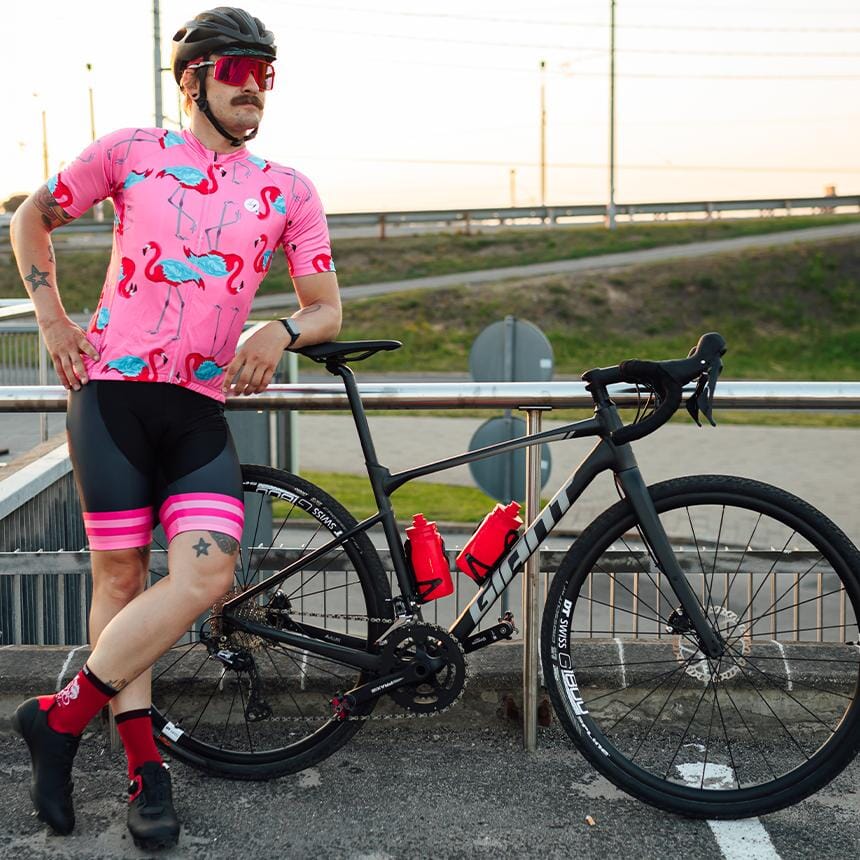
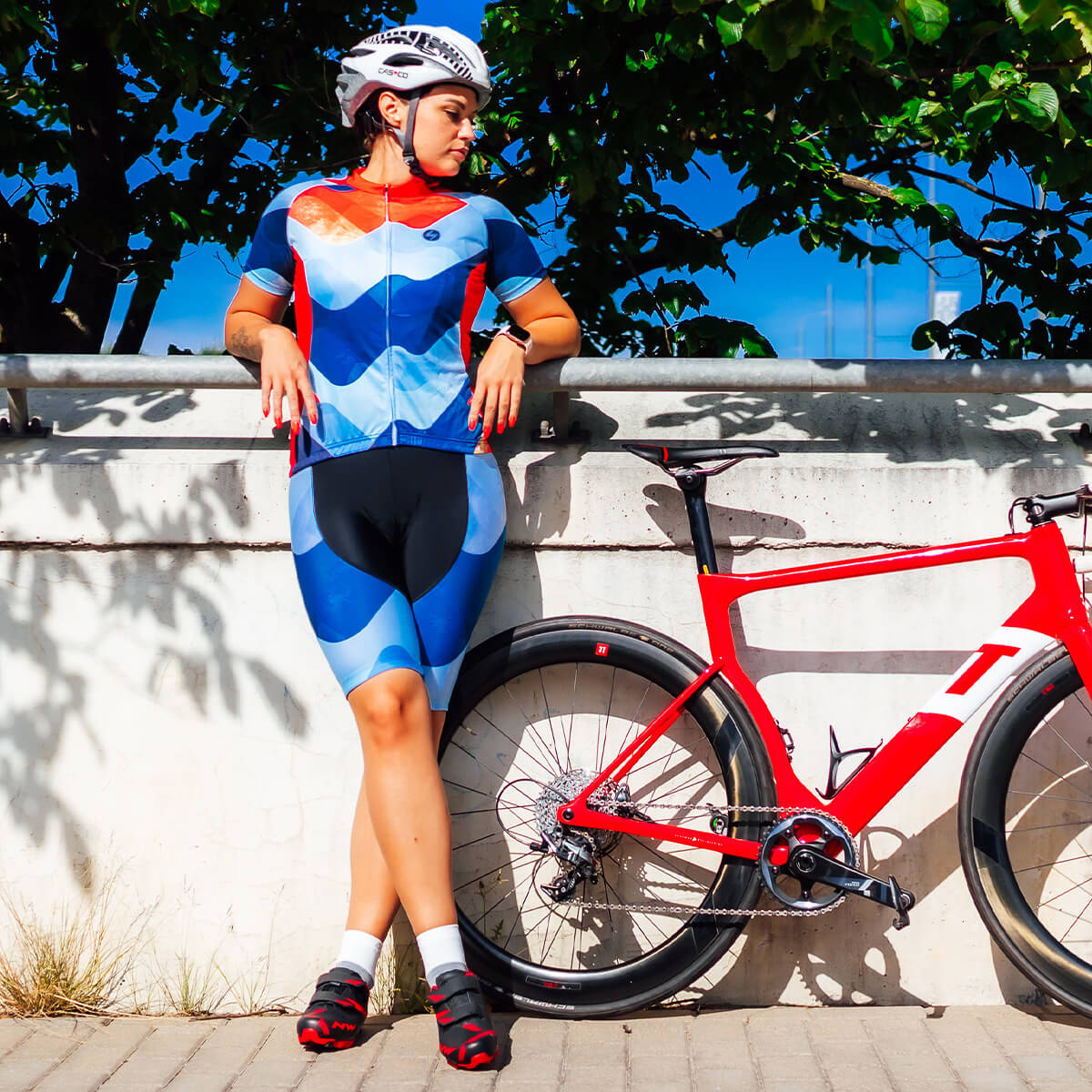
- Aerodynamic Design: Cycling jerseys are crafted to fit snugly against the body, reducing the surface area that wind can grip, which diminishes drag.
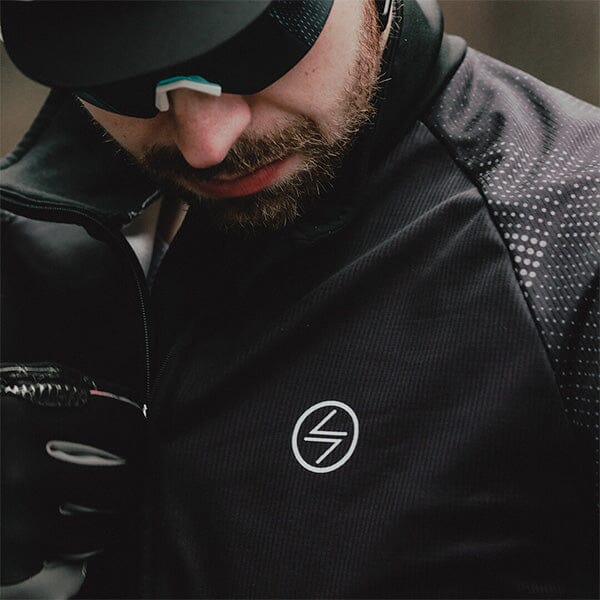
- Material Technology: Advanced fabrics with windproof and water-resistant properties help to create a barrier against the elements.
- Seam Placement: Strategic seam placements can further enhance aerodynamics, ensuring that the airflow remains smooth.
- Lightweight Construction: Materials that are lightweight not only improve comfort but also assist in achieving higher speeds by reducing overall weight.
The Benefits of Investing in Wind-Resistant Cycling Apparel
Investing in high-quality wind-resistant cycling apparel brings several advantages that go beyond just aerodynamic benefits. Here are some notable perks:
Enhanced Comfort and Performance
Wind-resistant clothing minimizes the wind chill effect, providing a more comfortable riding experience even at higher speeds. Cyclists can maintain their body temperature without feeling the brunt of cold air, allowing for longer ride times and better focus on the road ahead.
Improved Energy Efficiency
With reduced wind drag, cyclists expend less energy to maintain speed. This results in improved energy efficiency during rides, allowing for sustained performance over long distances. A well-ventilated cycling jersey will aid in regulating body temperature, ensuring that cyclists remain cool and collected throughout their journey.
The Importance of Fit in Wind-Resistant Cycling Apparel
While fabric technology plays a crucial role in minimizing wind resistance, fit is equally important. An ill-fitting garment can cause unnecessary drag, defeating its purpose. Here are some tips for ensuring the right fit:
- Go for a Snug Fit: Ensure that your cycling jersey fits closely to your body without being restrictive. This helps to reduce any air pockets that can increase drag.
- Pay Attention to Sleeves: Longer sleeves can enhance aerodynamics, but they should not be too long as to hinder movement.
- Check Body Length: A cycling jersey that is too short will ride up while cycling, exposing skin and creating an uneven airflow.
Choosing Lightweight Cycling Apparel for Different Conditions
The right gear can make all the difference, especially in fluctuating weather conditions. When it comes to wind resistance, lightweight cycling apparel offers versatility and adaptability. Consider the following when selecting your cycling outfit:
For Windy Days
On days when the wind is particularly strong, moisture-wicking lightweight cycling apparel designed with wind-blocking features should be your go-to choice. Look for jerseys that provide both breathability and wind protection. Thin yet durable fabrics can effectively keep the chill at bay without adding bulk or unnecessary weight.
For Variable Weather
Variable conditions can present challenges, especially when transitioning from calm to windy environments. Layering becomes key in such situations. A lightweight cycling jersey can serve as your main layer, while a windproof vest can give you added protection against sudden gusts without compromising ventilation.
The Psychological Edge of Wind-Resistant Apparel
Beyond the physical benefits, wearing specialized wind-resistant cycling apparel can provide a psychological boost. Cyclists often feel more confident when they know their gear supports their performance. This confidence can translate into improved focus, allowing for better handling of the bike and awareness of the surrounding environment.
Boosting Morale and Motivation
Investing in quality gear can inspire and motivate cyclists to train harder and enjoy more rides. The sense of being equipped with the best cycling jersey can make a significant difference in a cyclist's morale, enhancing their overall experience.
Maintaining Your Wind-Resistant Cycling Apparel
To preserve the wind-resistant qualities of your cycling apparel, proper maintenance is essential. Here are some maintenance tips:
- Follow Washing Instructions: Always check the care labels on your cycling jerseys. Use mild detergent and avoid harsh chemicals that may degrade the material.
- Air Dry Whenever Possible: Air drying helps to preserve the fabric's integrity while ensuring that the fit remains true.
- Store Properly: Keep your cycling apparel in a cool, dry place when not in use to avoid moisture buildup and mold growth.
Embracing the Future of Cycling Apparel
The market for cycling apparel is continuously evolving, and manufacturers are constantly introducing innovative technologies to enhance performance. As the importance of wind resistance becomes increasingly recognized, expect to see even more advancements in lightweight cycling apparel that provides superior aerodynamics. From nanotechnology in fabric construction to innovative design techniques, the future holds exciting possibilities for cyclists keen on maximizing their performance.
The Final Gear Check
Choosing the right wind-resistant cycling apparel, especially lightweight cycling apparel and cycling jerseys, is crucial for any cycling enthusiast looking to improve their speed and efficiency. By understanding the importance of wind resistance and investing in quality gear that fits well, cyclists can enhance their overall performance and enjoyment on the road. So gear up, hit the road, and embrace the thrill of cycling like never before!
Frequently Asked Questions
1. What is the significance of wind resistance in cycling?
2. How can cycling apparel help reduce wind resistance?
3. What are key features to look for in wind-resistant cycling apparel?
4. Why is the fit of cycling apparel important in relation to wind resistance?
5. How can cycling apparel influence a cyclist's psychological performance?
Glossary
| Term | Meaning |
|---|---|
| Cycling Apparel | Clothing designed specifically for cycling, focusing on comfort and performance. |
| Wind Resistance | The force opposing a cyclist's motion through the air, affecting speed and efficiency. |
| Drag | The resistance encountered by a cyclist due to air movement. |
| Aerodynamics | The study of how air interacts with moving objects, crucial for cycling performance. |
| Lightweight Apparel | Clothing made from materials that are easy to wear and reduce overall weight. |
| Moisture-Wicking | Fabric technology that draws sweat away from the body for better comfort. |
| Snug Fit | A close-fitting garment that minimizes air pockets and drag. |
| Seam Placement | Strategic positioning of seams to enhance aerodynamics and reduce drag. |
| Ventilation | The ability of clothing to allow airflow, keeping the cyclist cool. |
| Maintenance | Care practices for preserving the quality and performance of cycling apparel. |
Linked Product

Duodot Cycling Kit
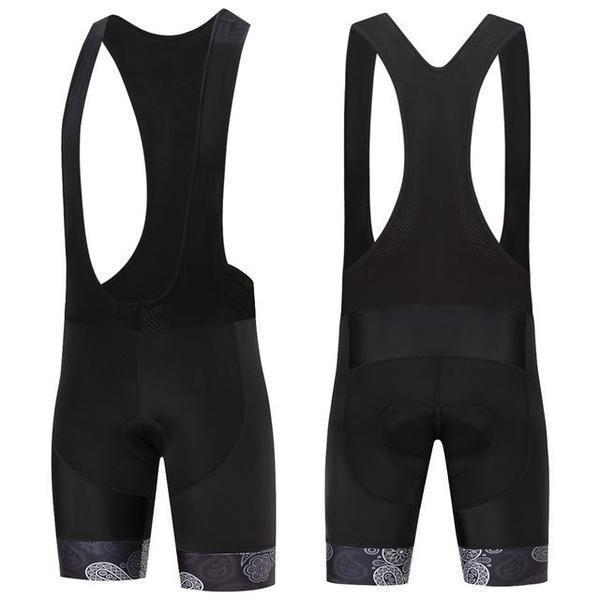
The Duodot Cycling Kit features a breathable jersey and supportive bibs, designed to keep cyclists comfortable during their rides. Made from ultra-light fabric, this kit helps maintain a cool temperature on various terrains. With silicone gripper bands and aero sleeves, it provides a secure fit while allowing for personal expression through its unique designs.
View Product



Leave a comment