


Mastering Cycling: Layering for All Weather Conditions

Overview
Cycling clothing layering is essential for comfort in varying weather conditions. Start with a moisture-wicking base layer, add an insulating mid layer, and finish with a protective outer layer. Adjust your layers based on weather (sunny, cool, rainy, or windy) to regulate body temperature and manage moisture. Invest in quality materials, check the weather, and choose the right fit for an optimal riding experience.
Table of Contents
- Understanding the Importance of Layering
- The Base Layer: Your First Line of Defense
- Mid Layer: Insulation and Comfort
- Outer Layer: Protection from the Elements
- Layering for Different Weather Conditions
- Sunny and Warm Days
- Cooler Temperatures
- Rainy Weather
- Windy Conditions
- Tips for Effective Layering
- Practical Examples of Layering
- A Spring Ride
- A Fall Adventure
- The Final Touches
- Your Ultimate Cycling Experience Awaits!
Key Takeaways
- Layering is essential for regulating body temperature and managing moisture during cycling.
- Base Layer: Choose moisture-wicking materials like polyester or merino wool for comfort and sweat management.
- Mid Layer: Opt for breathable insulation, such as a light fleece, to maintain warmth without bulk.
- Outer Layer: Invest in a lightweight, waterproof, or windproof jacket for protection against the elements.
- Adjust for Weather: Tailor your layers based on conditions—light layers for sunny days and insulated options for cooler or rainy weather.
- Quality Matters: Always prioritize high-quality materials to enhance breathability and moisture management.
- Accessories: Utilize headwear, gloves, and neck gaiters to complement your layering strategy and improve comfort.
Cycling is one of the most exhilarating ways to explore the outdoors while keeping fit. However, the right clothing can make or break your ride, particularly when faced with varying weather conditions. Layering is an essential technique that allows cyclists to remain comfortable, regardless of whether it’s sunny, rainy, or chilly. This comprehensive guide covers how to effectively layer your cycling clothing, ensuring that you can tackle any weather conditions with confidence.
Understanding the Importance of Layering
The main goal of layering your cycling clothing is to regulate your body temperature while managing moisture. Improper clothing choices can lead to overheating or getting chilled, significantly impacting your performance and enjoyment of cycling. Here’s how you can achieve the perfect layering system:
The Base Layer: Your First Line of Defense
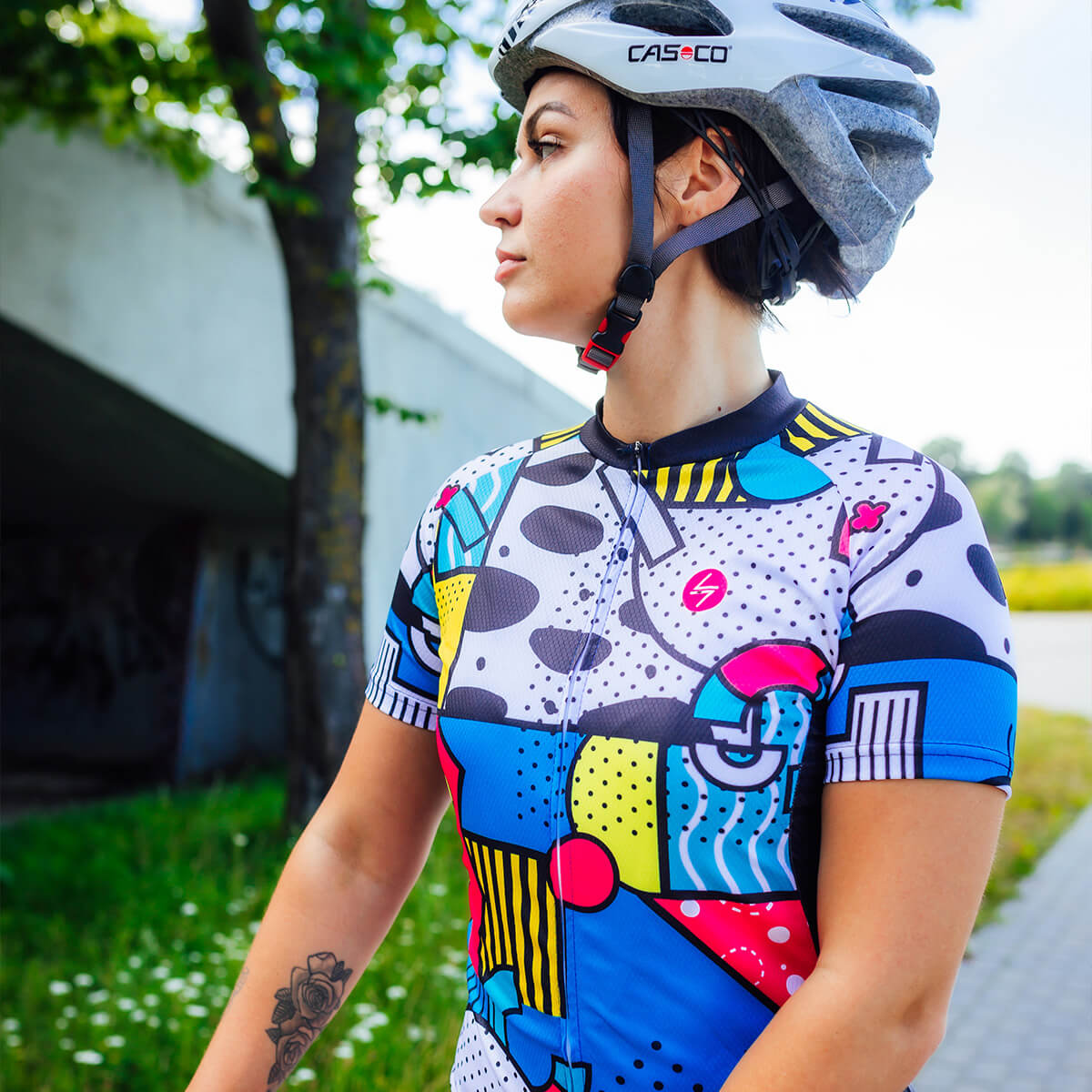
The base layer is the foundation of your cycling outfit. It should be comfortable, moisture-wicking, and provide a snug fit to manage sweat effectively. When selecting a base layer, consider materials like polyester or merino wool. These fabrics offer excellent breathability and moisture management. For a long sleeve cycling jersey, opt for something lightweight that protects your arms from the sun while keeping you cool.
Mid Layer: Insulation and Comfort
Your mid layer is designed to provide warmth without bulk. This could be a light fleece or a long sleeve cycling jersey. Look for mid layers that are breathable yet offer insulation, so you won’t overheat during your ride. The combination of your base layer and mid layer will help maintain your body temperature in cooler conditions, allowing you to focus on your cycling, not your comfort.
Outer Layer: Protection from the Elements
The outer layer is your shield against wind, rain, and other environmental factors. A good-quality waterproof or windproof jacket can make a world of difference on a rainy day. Your outer layer should be lightweight and packable, allowing you to easily stow it when not in use. Ensure that it features ventilation options, such as zippered underarm vents, to enhance breathability while cycling.
Layering for Different Weather Conditions
Understanding how to layer your cycling clothing according to various weather conditions will enhance your riding experience. Here are some common weather scenarios and how to dress accordingly:
Sunny and Warm Days
- Base Layer: A short or long sleeve cycling jersey made from lightweight, moisture-wicking material.
- Mid Layer: Often not necessary, but a lightweight long sleeve cycling jersey can provide sun protection.
- Outer Layer: A breathable sleeveless vest can provide some additional comfort without retaining too much heat.
Layering for sunny weather is all about breathability and moisture management. Keep your layers as light as possible, opting for fabrics designed to wick sweat away from your body.
Cooler Temperatures
- Base Layer: A long sleeve cycling jersey to help maintain warmth.
- Mid Layer: A light fleece or an additional long sleeve cycling jersey.
- Outer Layer: A windproof jacket that provides insulation and breathability for those brisk rides.
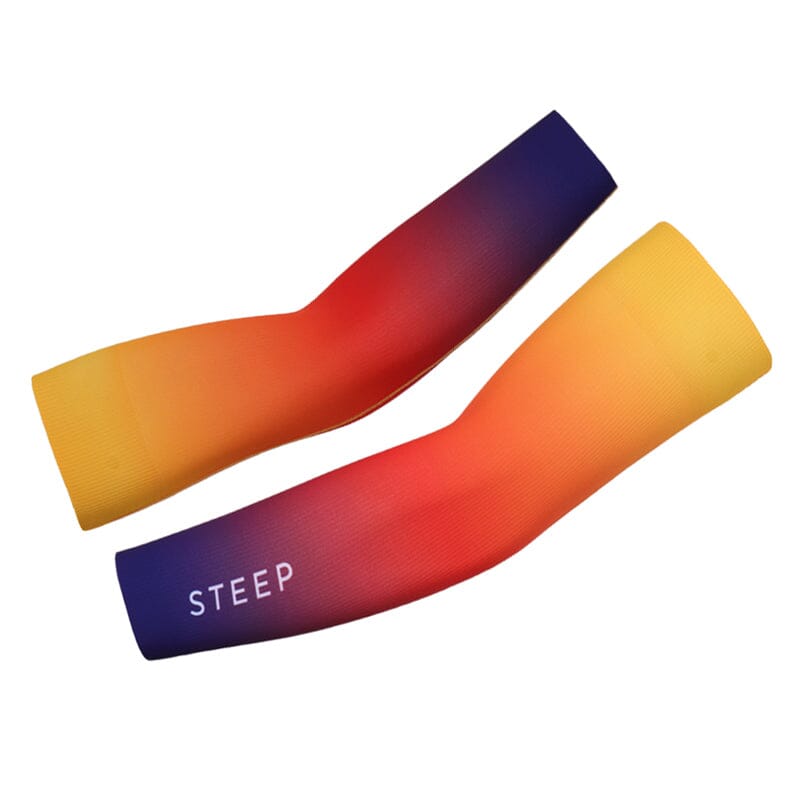
When cycling in cooler temperatures, focus on maintaining warmth while allowing for breathability to prevent overheating. Consider adding arm warmers or leg warmers for extra coverage as needed.
Rainy Weather
- Base Layer: A long sleeve cycling jersey that dries quickly to manage body moisture.
- Mid Layer: A lightweight, breathable thermal layer if temperatures are significantly low.
- Outer Layer: A waterproof, breathable cycling jacket that keeps you dry yet allows moisture to escape.
In rainy conditions, prioritize waterproof materials for the outer layer. Look for jackets with taped seams and adjustable cuffs to keep out the rain while ensuring a snug fit to maintain warmth.
Windy Conditions
- Base Layer: A long sleeve cycling jersey that fits snugly against your skin.
- Mid Layer: A light fleece layer for added warmth and insulation.
- Outer Layer: A wind-resistant jacket that blocks the chill and traps warmth without being too heavy.
Wind can quickly sap your body heat, so your outer layer should focus on wind resistance. Ensure that your jacket has good ventilation options to manage moisture effectively.
Tips for Effective Layering
Layering is not just about throwing on multiple pieces of clothing. Here are some effective tips to keep your layering system functional:
- Invest in Quality: Always opt for high-quality materials that offer breathability, insulation, and moisture management.
- Check the Weather: Always consider the forecasted temperature and conditions before heading out and adjust your layers accordingly.
- Fit is Key: Ensure that each layer fits snugly but comfortably, allowing for freedom of movement while cycling.
- Mix and Match: Get creative with your layering by mixing various long sleeve cycling jerseys and mid layers to keep your gear fresh.
- Stay Flexible: Be prepared to adjust your layers, especially if you know you will encounter changing weather throughout your ride.
Practical Examples of Layering
To help visualize the layering process, consider this practical example:
A Spring Ride
Early spring can bring unpredictable weather. Start with a short sleeve or long sleeve cycling jersey as your base layer. Add a light thermal layer for additional warmth, and finish with a windproof, shower-resistant jacket. Remember, as the sun rises and temperatures increase, you can easily remove the mid or outer layers. This flexible approach will keep you comfortable during your ride, no matter how the weather changes.
A Fall Adventure
Fall temperatures can drop quickly, especially in the mornings. Begin with a long sleeve cycling jersey as your base layer, and add an insulated mid layer. Opt for a lightweight, waterproof jacket as your outer layer to shield against wind and unexpected rain. Don’t forget to pack knee and arm warmers in case temperatures fluctuate!
The Final Touches
The right accessories can enhance your layering strategy and overall comfort on the bike. Consider items like:
- Headwear: A cycling cap or headband can keep sweat out of your eyes while adding an extra layer of warmth.
- Gloves: Invest in cycling gloves that provide warmth but also allow for good grip and control.
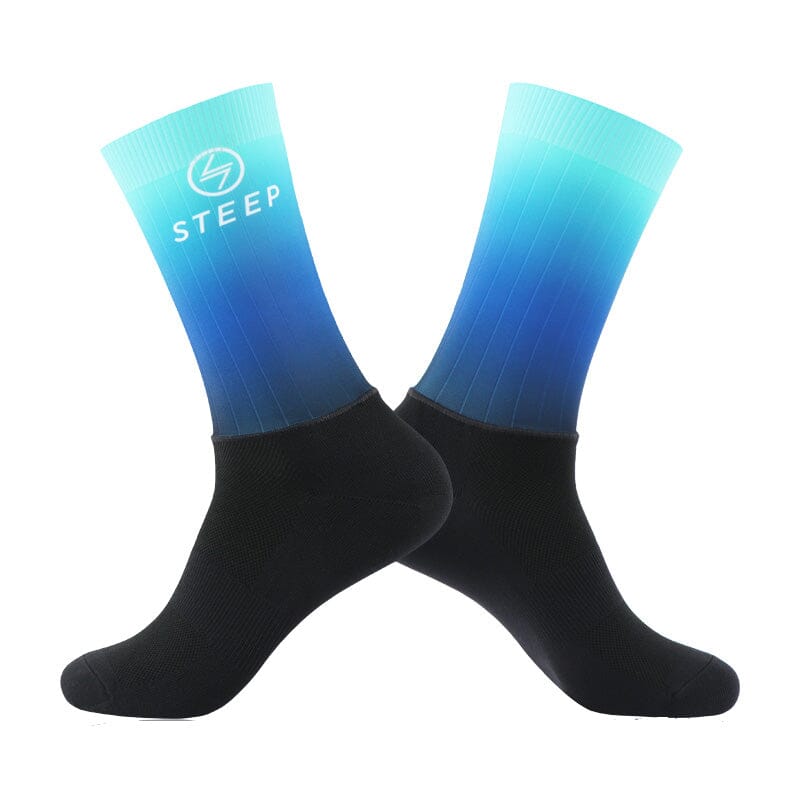
- Sock Choice: Merino wool socks can keep your feet warm during cooler rides.
- Neck Gaiters: These can be pulled up for added warmth and protection against wind.
Recap what works for you during various climates. As you gain experience layering your cycling clothing, you’ll become more adept at making the necessary adjustments to keep you comfortable during all your adventures.
Your Ultimate Cycling Experience Awaits!
Layering your cycling clothing appropriately will not only enhance your comfort but also your overall cycling experience. Don’t let the weather dictate your ride; embrace it with the right layers. Remember, whether you’re out for a casual ride through the park or tackling challenging terrains, a well-thought-out cycling outfit will keep you motivated and engaged all season long. So, grab your long sleeve cycling jersey, layer up wisely, and hit the road with confidence!
Frequently Asked Questions
1. What is the purpose of layering in cycling clothing?
2. What should I look for in a base layer for cycling?
3. How do I dress for rainy weather while cycling?
4. What is the best outer layer for windy conditions?
5. What additional accessories can enhance my cycling layering strategy?
Glossary
| Term | Meaning |
|---|---|
| Base Layer | The first layer worn, designed to wick moisture and regulate body temperature. |
| Mid Layer | Provides insulation and warmth without adding bulk. |
| Outer Layer | Protects against wind and rain; should be lightweight and breathable. |
| Moisture-Wicking | Fabric technology that draws sweat away from the skin to keep you dry. |
| Breathability | The ability of fabric to allow moisture and heat to escape. |
| Insulation | Material that retains body heat to keep you warm in cooler conditions. |
| Windproof | A material that prevents wind from penetrating, helping to retain warmth. |
| Layering | The technique of wearing multiple clothing layers to adapt to changing weather. |
| Arm Warmers | Accessories worn on the arms for extra warmth during cooler rides. |
| Neck Gaiter | A versatile accessory that provides warmth and protection for the neck. |
Linked Product

Long Sleeve Cycling Jersey - Sunset
The Long Sleeve Cycling Jersey - Sunset features patented Quick Dry technology that effectively wicks moisture away from the skin, ensuring comfort and temperature regulation during rides. Its ultralight and breathable fabric keeps you cool even on hot days, while the reinforced pockets provide secure storage for essentials like phones and keys. With a next-to-skin fit and anti-UV properties, this jersey is designed for both performance cycling and everyday wear.
View Product



Leave a comment