




Mastering Cycling Kit Size Charts for Perfect Fit

Overview
This blog discusses the importance of selecting the right size for cycling kits, detailing how proper fit affects performance, comfort, durability, and confidence. It provides guidance on measuring oneself accurately, understanding common size charts, and navigating different sizing systems. The article also highlights various fit preferences based on cycling style, such as race, regular, and relaxed fits, emphasizing that the right kit can significantly enhance the cycling experience.
Frequently Asked Questions
1. Why is getting the right cycling kit size important?
2. What measurements are commonly used in cycling kit size charts?
3. How do I accurately measure myself for a cycling kit?
4. What are the different sizing systems for cycling kits?
5. What types of fit preferences are available for cycling kits?
When it comes to cycling, having the right gear can make all the difference in your performance and comfort. One of the most crucial aspects of cycling apparel is understanding the cycling kit size charts. In this guide, we will delve into the importance of appropriate sizing, how to measure yourself accurately, and tips for choosing the best cycling kit for your needs. Whether you're a beginner or a seasoned cyclist, this information will help you make informed decisions and enhance your cycling experience.
The Importance of Getting the Right Size
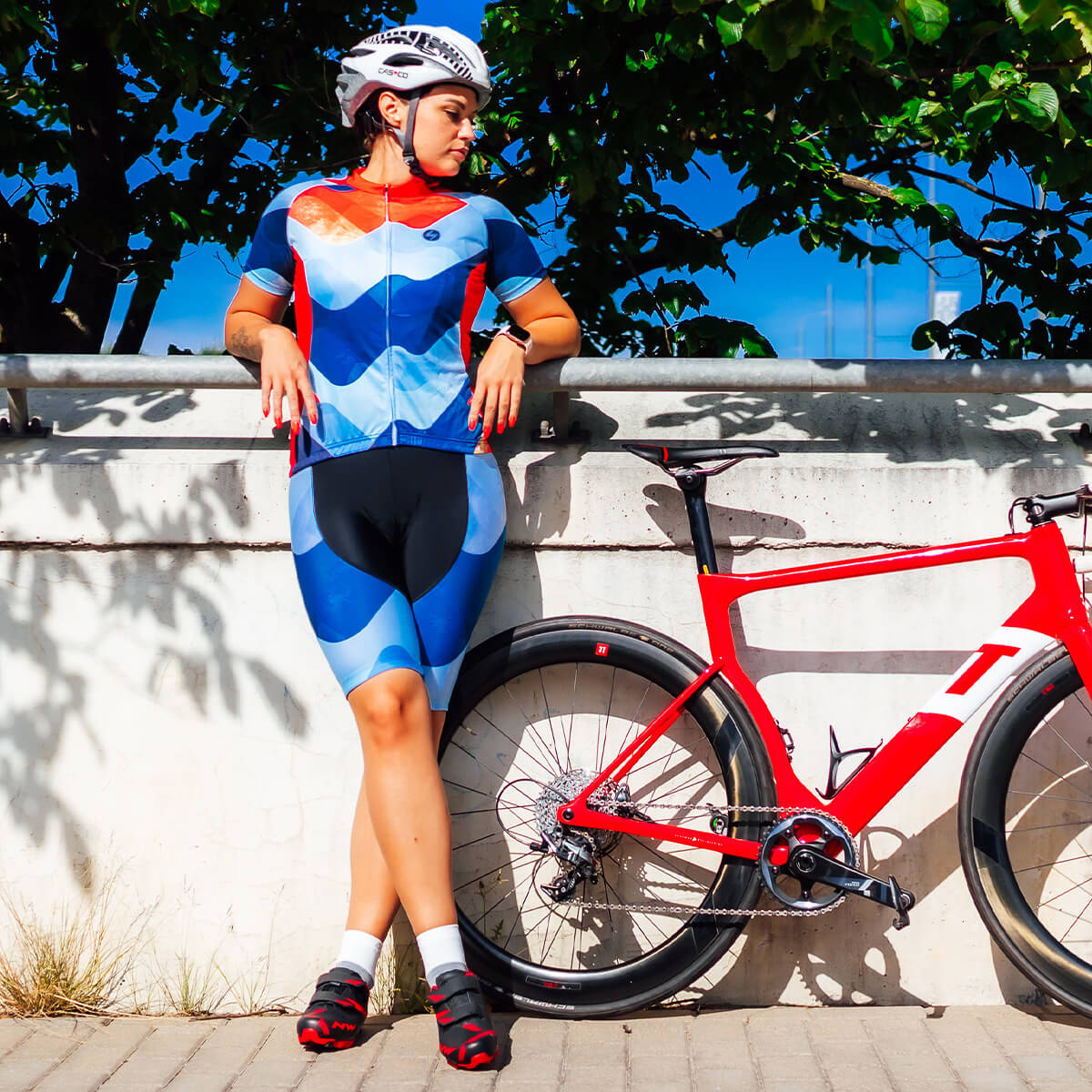
Your cycling kit should fit like a glove. An ill-fitting kit can lead to discomfort, chafing, and could ultimately affect your riding performance. Here are a few reasons why understanding size charts is essential:
- Performance: A properly fitted cycling kit can improve aerodynamics, allowing you to ride faster and more efficiently.
- Comfort: Cycling involves long hours in the saddle; a well-fitted kit will minimize the risk of rubbing and discomfort.
- Durability: Wearing the right size can prolong the life of your cycling kit; too tight or too loose can cause wear and tear.
- Confidence: When you feel good in your cycling kit, it positively affects your performance and boosts confidence on the bike.
Understanding Cycling Kit Size Charts
What Are Cycling Kit Size Charts?
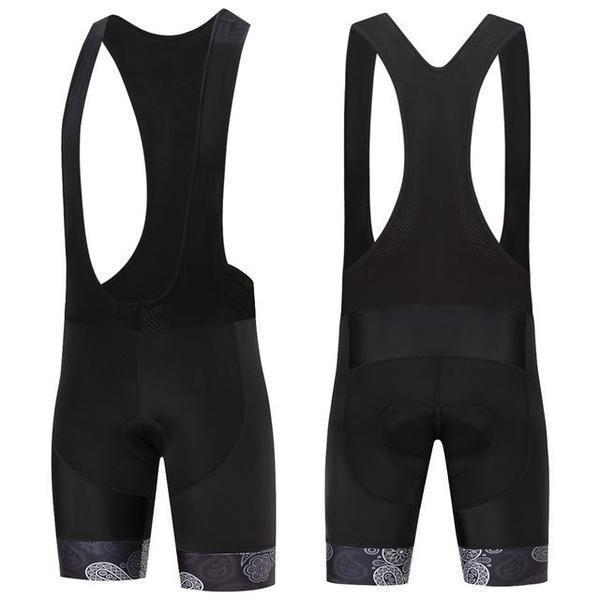
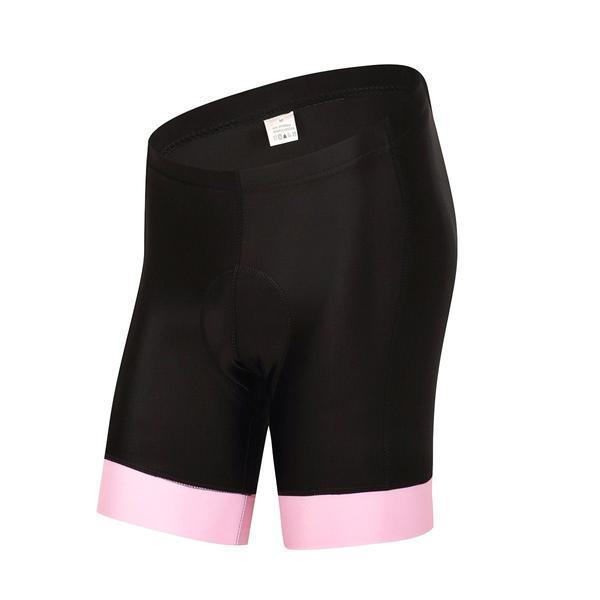
Cycling kit size charts are guides provided by manufacturers that indicate how to choose the correct size for their apparel based on specific measurements. These charts typically include sizing information for jerseys, bibs, shorts, and jackets, allowing cyclists to select the right fit according to their body dimensions.
Common Measurements Used in Cycling Kit Size Charts
To effectively use cycling kit size charts, you'll need to understand the common measurements that brands typically utilize:
- Chest: Measure around the fullest part of your chest, keeping the measuring tape level and snug but not tight.
- Waist: Measure around your natural waistline. This is usually just above your belly button.
- Hips: Measure around the widest part of your hips, ensuring the tape is parallel to the floor.
- Inseam: When measuring your inseam, stand straight and measure the distance from your crotch down to your ankle.
How to Measure Yourself for the Perfect Fit
The first step in utilizing cycling kit size charts is to measure your body accurately. Follow these steps to ensure you get precise results:
Gather Your Tools
You will need a soft measuring tape, a notepad to record your measurements, and a friend to help if possible. Accurate measurements can be tricky to take alone!
Step-by-Step Measurement Guide
1. Chest Measurement: Wrap the measuring tape around the fullest part of your chest, ensuring that it stays level. For men, there's often a helpful tip to measure while standing up to ensure a natural pose.
2. Waist Measurement: Find your natural waistline, which is roughly above your belly button. Measure around this part of your body without pulling the tape too tight.
3. Hip Measurement: Stand with your feet together and measure around the widest point of your hips, ensuring the measuring tape is straight.
4. Inseam Measurement: Using a pair of well-fitting jeans, measure from the crotch seam down to the hem of the pant leg. This typically gives an accurate inseam measurement.
Navigating Different Cycling Kit Sizing Systems
Different brands may have varying sizing systems, so it’s crucial to familiarize yourself with them. Here are a few common sizing standards you'll encounter:
Standard Sizing
Most brands use sizes like XS, S, M, L, XL, and so on. Here’s a general size guide based on your measurements for the cycling kit:
- XS: Chest 30-32 inches, Waist 24-26 inches, Hips 32-34 inches
- S: Chest 34-36 inches, Waist 28-30 inches, Hips 36-38 inches
- M: Chest 38-40 inches, Waist 32-34 inches, Hips 40-42 inches
- L: Chest 42-44 inches, Waist 36-38 inches, Hips 44-46 inches
- XL: Chest 46-48 inches, Waist 40-42 inches, Hips 48-50 inches
Metric Sizing
In Europe and other regions, you may encounter metric sizing, which often includes numerical sizes like 42, 44, or 46. Typically:
- Size 42 corresponds roughly to Size S
- Size 44 corresponds to Size M
- Size 46 corresponds to Size L
Always verify the brand-specific size chart for the most accurate fitting.
Know Your Cycling Style and Fit Preferences
Understanding your cycling style can also influence the type of cycling kit you choose. Here are a few fit preferences based on different riding styles:
Race Fit
If you’re a competitive cyclist or triathlete, a race-fit cycling kit, which is more form-fitting, will help streamline your body and reduce drag at high speeds. This option usually fits snug against the skin.
Regular Fit
A regular fit is slightly looser and offers more comfort for recreational cyclists. It's a good choice if you prioritize comfort over aerodynamics and plan to enjoy longer rides.
Relaxed Fit
If you prefer a more casual style or are just starting your cycling journey, a relaxed fit cycling kit may be the best option for you. It provides maximum comfort and mobility without compromising on style.
Final Thoughts: Elevate Your Cycling Experience with the Right Kit
Getting the right fit is paramount in enhancing your cycling experience. Taking the time to measure yourself accurately and consult the size charts can dramatically improve comfort and performance. So before your next ride, ensure you have the perfect cycling kit for your unique needs. Enjoy every moment in the saddle with the confidence that your gear is just right! Happy cycling!



Leave a comment