






The Future of Sustainable Cycling Kits: Pedaling Toward Green

Overview
Sustainable cycling kits are essential for reducing environmental impact and supporting ethical practices. Innovations in materials like recycled polyester, organic cotton, and bamboo are shaping the future of cycling apparel. Key design trends include modular designs and timeless styles. Technology is enhancing these kits with smart fabrics and eco-friendly inks. Consumers can make a difference by choosing sustainable options, influencing brands to prioritize eco-friendly practices.
Frequently Asked Questions
1. Why are sustainable cycling kits important?
2. What materials are commonly used in sustainable cycling kits?
3. What are some design trends in sustainable cycling kits?
4. How does technology influence sustainable cycling kits?
5. What should I consider when choosing a sustainable cycling kit?
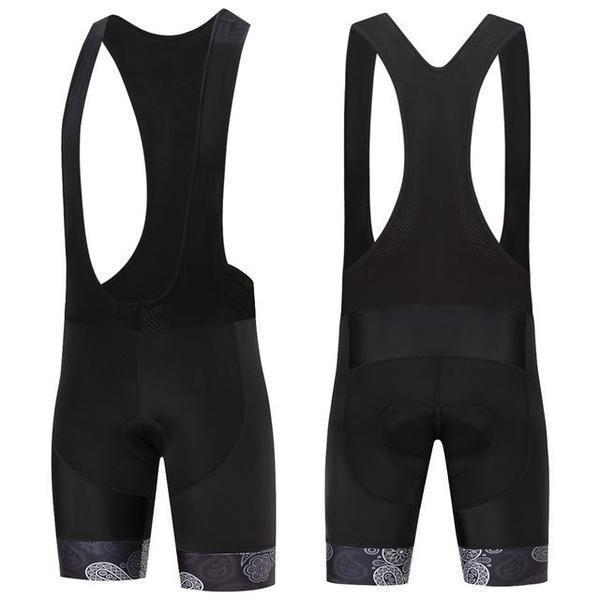
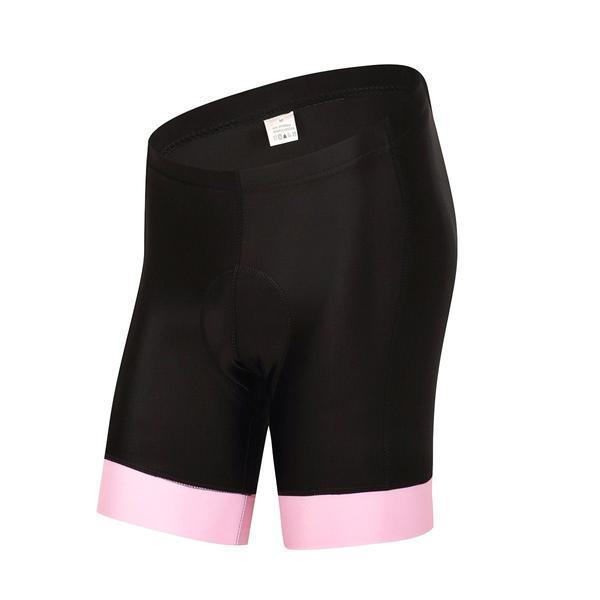
As cycling continues to gain popularity as a sustainable transportation method and recreational activity, the demand for eco-friendly gear is on the rise. Among the vital components of any cyclist's wardrobe is the cycling kit — a blend of form, function, and most importantly, sustainability. This article explores the future of sustainable cycling kits, their benefits, innovations, and how they’re set to transform the cycling experience for enthusiasts everywhere.
Understanding the Importance of Sustainable Cycling Kits
Sustainability in cycling kits is no longer an option but a necessity. With increasing awareness of environmental issues, cyclists are looking for products that reflect their eco-conscious values. The cycling kit comprises jerseys, shorts, and other apparel designed to maximize comfort while riding, and making these pieces sustainable brings multiple advantages. Below are a few reasons why investing in sustainable cycling kits matters:
- Reduced Environmental Impact: Traditional materials can contribute to pollution and deforestation. Sustainable options utilize eco-friendly materials that help protect our planet.
- Long-lasting Quality: Sustainable cycling kits are often designed with durability in mind, meaning they'll last longer than conventional kits. Less frequent replacements mean less waste!
- Supporting Ethical Practices: Many brands focusing on sustainability prioritize fair labor practices, ensuring the workers involved in the production process are paid fairly and work in safe conditions.
Innovative Materials Making Waves in Eco-Friendly Cycling Kits
The future of sustainable cycling kits lies in the materials used to make them. Several innovative, eco-friendly fabrics are being developed and used in cycling apparel. Here are some of the key materials to watch:
Recycled Polyester
Recycled polyester, made from plastic bottles and other discarded plastics, has gained traction in recent years. This fabric is lightweight, breathable, and moisture-wicking, making it perfect for cycling jerseys and shorts. By choosing cycling kits made from recycled polyester, cyclists help reduce landfill waste and lower the demand for new materials.
Organic Cotton
While not always the most common choice for performance cycling wear, organic cotton is gaining popularity for casual cycling kits. Grown without harmful pesticides and using less water than conventional cotton, organic cotton is an excellent option for cyclists looking for comfort without compromising sustainability.
Bamboo Fabric
Bamboo is another material making strides in the cycling apparel industry. It is biodegradable and has natural moisture-wicking properties, making it suitable for cycling kits. Additionally, bamboo requires less water to grow compared to traditional cotton, making it a more sustainable option overall.
Designing for Future-Friendly Cyclists
As cycling kits evolve, it is not just the materials that change; the designs must also adapt to meet the unique needs of cyclists dedicated to sustainability. Here are some design trends shaping the future of cycling apparel:
Modular Designs
Future cycling kits may offer modular designs allowing cyclists to mix and match various pieces, thus extending the lifespan of their gear. Instead of purchasing a whole new kit every season, a cyclist can replace worn-out parts with new ones. This approach encourages the use of fewer resources and reduces waste.
Timeless Styles
Fashion cycles in trends, but sustainability thrives on timelessness. Many brands are embracing styles that are not dictated by the latest trends, focusing instead on classic designs that can be worn season after season. This strategy reduces impulse buying and promotes longevity.
The Role of Technology in Sustainable Cycling Kits
As the cycling industry evolves, technology plays a crucial role in enhancing the sustainability of cycling kits. Innovations are paving the way for improved function, durability, and eco-friendliness. Here are some exciting technological advancements:
Smart Fabrics
Advancements in smart textiles are paving the way for high-performance cycling kits. These fabrics are designed to keep cyclists comfortable, featuring temperature regulation and odor control. Such technological innovations not only enhance the cycling experience but also ensure that the apparel lasts longer.
Water-Based Inks and Dyes
In the world of cycling kits, sustainability extends not just to the fabric but also the methods used for branding and design. Water-based inks and dyes are less harmful to the environment compared to traditional chemical paints. Many brands are moving towards these safer alternatives, ensuring that the entire production process is eco-friendly.
Brands Leading the Way in Sustainable Cycling Kits
With growing awareness and demand for sustainable practices, several brands have emerged as pioneers in producing eco-friendly cycling kits. These trailblazers are setting an example for others to follow:
- Patagonia: Renowned for its commitment to sustainability, Patagonia offers a line of cycling kits made from recycled materials and organic fabrics.
- Rapha: This brand is known for its stylish designs and is increasingly focusing on sustainable materials and practices.
- Isadore: A cycling brand that specializes in eco-friendly materials, Isadore emphasizes craftsmanship and the use of organic and recycled fibers.
The Impact of Consumer Choices
Every time cyclists choose a sustainable cycling kit, they are making a statement about their values and commitment to the planet. This conscious choice not only fuels the demand for sustainable gear but encourages brands to prioritize eco-friendly practices. The cycling community's support for sustainability can significantly influence the cycling apparel industry as a whole.
How to Choose Your Sustainable Cycling Kit
If you're ready to invest in a sustainable cycling kit, here are a few tips to consider:
Research Brands
Before making a purchase, take time to research the brands you're interested in. Look for brands that are transparent about their production processes and material sources. Check for certifications that show they follow ethical practices.
Look for Quality
When it comes to cycling kits, quality should never be compromised. Choose brands that emphasize durability in their designs. A well-constructed cycling kit will serve you much longer, reducing the need for frequent replacements.
Understand Your Needs
Consider your cycling habits and what features are essential for you. Are you a casual rider or do you participate in races? Your choice of cycling kit should reflect your personal preferences and riding style.
Join the Movement Toward Sustainable Cycling
The future of cycling apparel is bright and green. By embracing the innovations in sustainable cycling kits, you not only enhance your cycling experience but also contribute to a larger movement toward environmental responsibility. As the demand for eco-friendly products grows, it sends a clear message to brands: sustainability matters. It's time to pedal forward into a future where cycling kits marry performance with environmental stewardship, paving the way for generations of cyclists to come.



Leave a comment