


Top Tips to Avoid Cycling Kit Buying Mistakes

Overview
Avoid common mistakes when buying a cycling kit by focusing on fit, fabric quality, layering options, and comfort features. Always consult size charts, consider the type of cycling you do, and seek opinions from others. Don't overspend on brands and remember to maintain your gear for longevity. Make informed choices for a better cycling experience.
Frequently Asked Questions
1. What is the importance of fit when buying a cycling kit?
2. How can I ensure I select the right size for my cycling kit?
3. What fabric qualities should I look for in a cycling kit?
4. Why is layering important in cycling clothing?
5. What should I consider regarding comfort features in a cycling kit?
Understanding the intricacies of buying a cycling kit can be a daunting task, especially for those who are new to the sport or are looking to upgrade their gear. With a myriad of options available, it’s easy to fall into common pitfalls that can affect both comfort and performance on your rides. In this article, we’ll explore the most prevalent mistakes cyclists make when purchasing their cycling kits and how to steer clear of them, ensuring you make informed choices that enhance your cycling experience.
Ignoring the Importance of Fit
One of the biggest mistakes cyclists often make is neglecting the fit of their cycling kit. Cycling clothing is designed to be tight-fitting to help reduce wind resistance; however, this doesn’t mean it should be overly constrictive.
Understanding Size Charts
Vendors usually provide a size chart for their cycling kits. It’s crucial to consult this chart before making a purchase. Measure your chest, waist, and hips, then compare these measurements with the size guides available. Remember, different brands might have slightly different sizing, so don’t assume that your usual size will fit perfectly every time.
Trying before Buying
If possible, test the kit before purchasing. Many shops offer fitting rooms and will allow you to try on the cycling shorts, jerseys, or jackets. This gives you an opportunity to check the comfort level, flexibility, and overall fit.
Overlooking Fabric Quality
Another common mistake is failing to consider the fabric of the cycling kit. The material not only affects comfort but also impacts performance and durability.
Choosing Breathable Fabrics
During long rides, sweat management is crucial. Look for cycling kits made from moisture-wicking fabrics that draw sweat away from the skin to keep you cool. Fabrics with good ventilation help in temperature regulation, which can make a significant difference during long rides.
Checking Durability
While some fabrics might feel soft and comfortable, they may not stand up to the elements or repeated use. Look for durable and long-lasting materials. Often, a cycling kit made with a blend of synthetic fibers combined with spandex can offer both stretch and resilience.
Neglecting Layering Options
Weather can be unpredictable, so it’s essential to consider layering when selecting your cycling kit. Failing to plan for varying weather conditions can lead to discomfort on your rides.
Base Layers
Your cycling ensemble should start with a good base layer. On cooler days, a moisture-wicking base layer can provide the insulation you need, while still managing sweat effectively. Some cyclists underestimate the importance of a good base layer, thinking that simply a jersey is enough.
Outer Layers for Protection
Depending on the weather, an outer layer such as a windbreaker or waterproof jacket is essential. It provides protection against rain and wind, which is necessary for maintaining comfort over longer distances.
Not Considering the Type of Cycling
The style of cycling you do significantly influences the type of kit you should invest in. Many buyers overlook this factor, leading to unsuitable purchases.
Road Cycling vs. Mountain Biking
For those who engage in road cycling, a fitted cycling kit with minimal bulk is ideal for aerodynamics. Conversely, mountain bikers often benefit from looser fitting, rugged materials that can withstand rough terrain.
Choice of Accessories
Consider additional accessories that may complement your cycling kit as well. For example, if you frequently ride in low-light conditions, investing in reflective gear or lighting could be beneficial.
Overlooking Comfort Features
Comfort should be at the forefront of your mind when purchasing a cycling kit. Many buyers mistakenly choose looks or brand names over comfort features, leading to dissatisfaction.
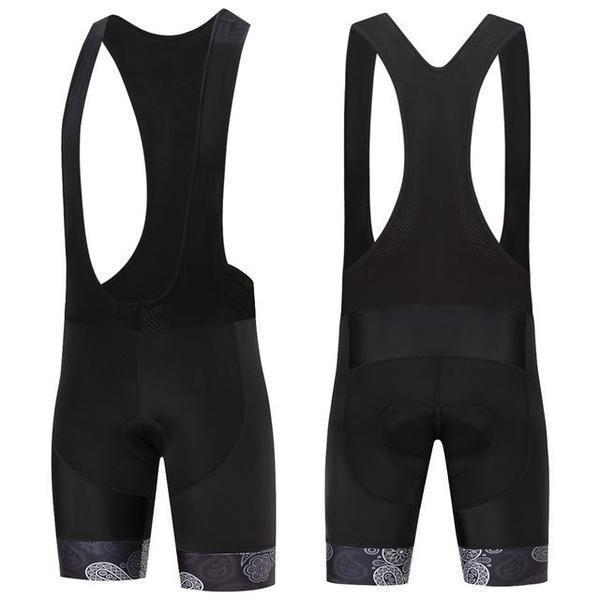
Padding in Shorts
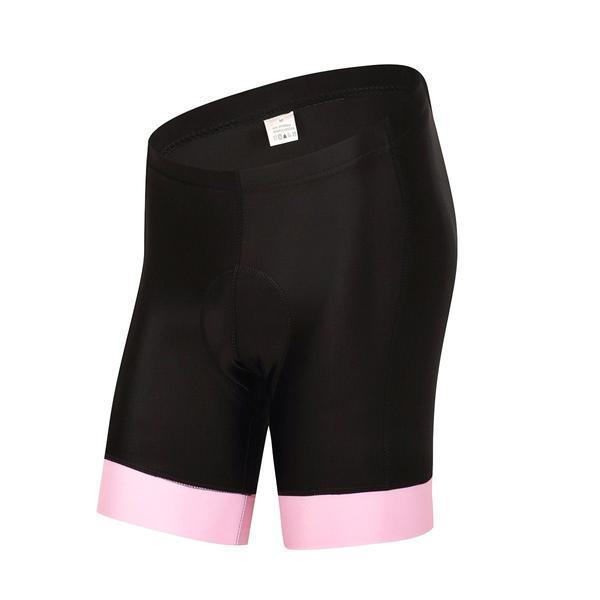
Choosing the right type of shorts with appropriate padding is necessary for longer rides. The padding provides cushioning and reduces friction, making your cycling experience much more enjoyable.
Seam Placement
Look for a kit with strategically placed seams and minimal chafing points. Flatlock seams that lay smoothly against your skin can help prevent irritation and discomfort during long rides.
Overspending on Brands
It’s easy to fall into the trap of believing that the most expensive cycling kits are the best. However, brand names can sometimes inflate prices without significant benefits.
Value Over Brand
Instead of merely focusing on big brands, research other options that offer high-quality materials and construction at a competitive price. Many lesser-known brands produce excellent cycling kits that rival those from the larger companies.
Sales and Discounts
Keep an eye on sales and discounts. Often, high-quality cycling kits go on sale, making them more affordable without sacrificing quality.
Forgetting about Maintenance
After purchasing your cycling kit, maintenance is a crucial aspect many cyclists overlook. Proper care can enhance the lifespan of your garments.
Washing Guidelines
Check the washing instructions on your cycling kit. Many moisture-wicking fabrics require special care, like cold washing and air drying. Washing them incorrectly can lead to a breakdown of the materials over time.
Storage Practices
Store your cycling kits in a cool, dry place to avoid any mildew or damage. Avoid exposing them to direct sunlight for prolonged periods, as this can deteriorate fabric quality.
Not Seeking Opinions
Finally, one of the most overlooked aspects when purchasing a cycling kit is not seeking out feedback from friends or cycling communities.
Join Local Groups
Networking with fellow cyclists can provide invaluable insights into what works best for various riding styles and conditions. Forums and social media groups often discuss cycling gear, where you can learn from others' experiences.
Reading Reviews
Take time to read reviews of the specific cycling kits you’re interested in. These reviews often provide honest feedback on durability, comfort, and overall satisfaction, helping you make an informed decision.
Your Path to the Perfect Cycling Kit
As you embark on your journey to find the ideal cycling kit, keeping these common mistakes in mind will ensure that you make choices that enhance your cycling experience. Remember, the right fit, fabric quality, layering options, and comfort features can dramatically improve your performance and enjoyment on the road or trail.
Embrace the adventure, and make smart, informed decisions as you gear up. Here's to many enjoyable and comfortable rides ahead!



Leave a comment